Synthetic, Organic, Natural Pest Control Management
What's the difference?
'Pesticide' is a general term for any substance used to control pests. Pesticides can be grouped into four different categories:
Synthetic Pesticides
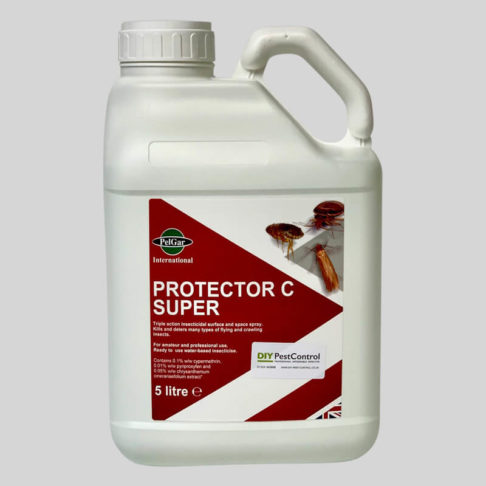
Synthetic pesticides are manufactured in a laboratory and may comprise of some elements extracted from nature and/or some elements conceived and produced in the laboratory. Synthetic pesticides are frequently engineered to have a longer 'active' life than organic pesticides and attempts are made to make them more targeted against specific pests.
Synthetic pesticides have been widely available over the last 60 years. In the early decades of production the effects of many synthetic pesticides was poorly understood and resulted in considerable environmental and human harm. Modern synthetic pesticides have become more 'pest specific', have lower toxicity and are much less damaging to the environment.
Organic Pesticides
Organic pesticides are produced from living organisms. Frequently they comprise of the chemicals that plants have evolved to protect themselves from attack. An example would be pyrethrins which are extracted from the chrysanthemum plant. Organic pesticides tend to have a short 'active' life and most degrade rapidly in the open environment. Their effectiveness is usually measured in hours or days.
Organic pesticides are not necessarily safer for the environment than synthetic pesticides. Some of the worlds' most toxic substances are entirely organic, for example snake venom or deadly nightshade.
Inorganic Pesticides
Inorganic pesticides are mined from the earth and ground into a fine powder. Some work as poisons but most work by physically damaging the insect's cuticle resulting in dehydration and death.
Inorganic pesticides are relatively low in toxicity and have a low environmental impact. They are mostly formulated as a dust or powder.
Natural Pesticides
Natural pesticides consist of all those organic and inorganic pesticides mentioned above that come from natural sources. Although they are not necessarily safer for the environment than synthetic pesticides, most modern natural pesticides are somewhat safer.
Note: The use of the word 'organic' in relation to pesticides does not imply that the product is certified for use by organic organisations such as the Soil Association or other organic certification schemes. However, some natural pesticides are certified for use in organic food production systems. Organically certified pesticides will have an appropriate logo on the product label.