Payment Methods Accepted at DIY Pest Control

Pesticide advice and information

This section aims to give you an overview of issues related to the safe use of pesticides for pest control management


Pesticide overview:

A pesticide is any natural or synthetic product used to destroy or control pests.

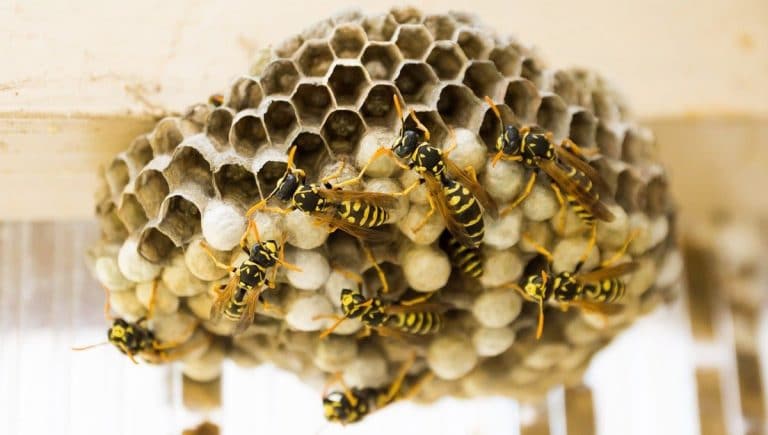
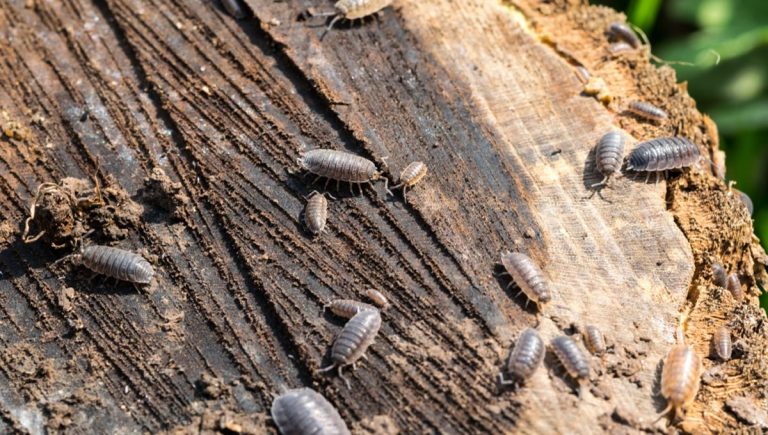
  • Insecticides kill insects
  • Herbicides kill plants
  • Fungicides kill fungi
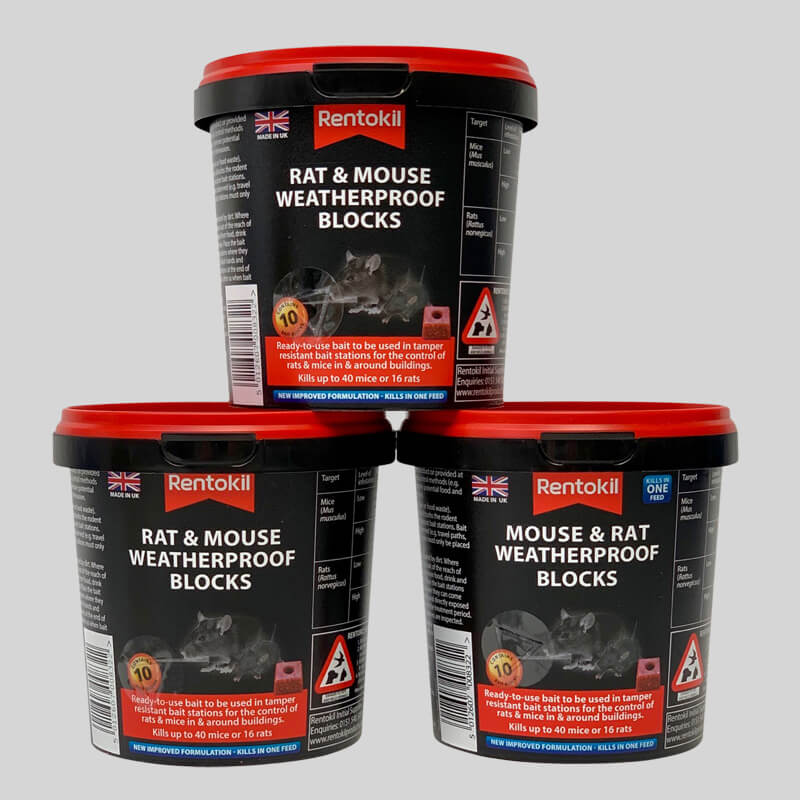
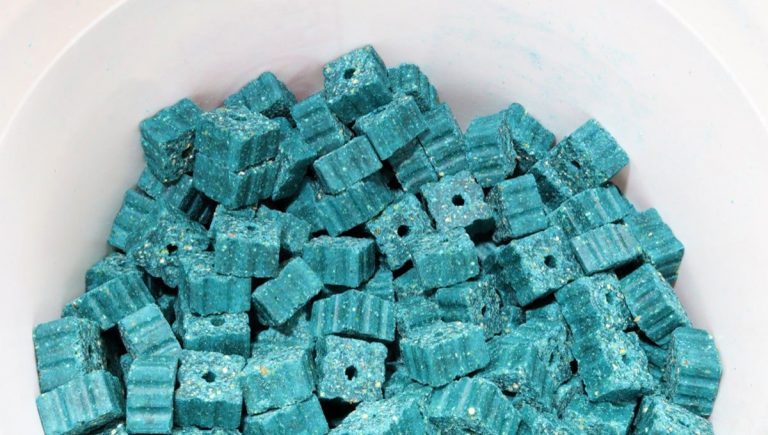
  • Rodenticides kill rodents

When used responsibly and in accordance with the detailed instructions on the product label pesticides can help you quickly with your pest control management.

All the products we sell are cleared for amateur use and given that you comply with the guidelines for use stated on the product label, they will have minimal impact on the environment.

Pesticide safety – general advice:

  • Avoid pesticide contact with exposed parts of the body, particularly the eyes and mouth. Wash off any splashes immediately with clean water.
  • Avoid breathing in dusts or sprays. Wash after using sprays or dusts.
  • Make sure no children or animals are in the vicinity when spraying.
  • Many pesticides, particularly insecticides, pose a risk to fish, amphibians and other pond life. Unless specifically intended for use in ponds, keep all products away from water courses, including ditches and streams.
  • Do not smoke, eat or drink while spraying.
  • Do not spray or dust in windy, completely calm or hot sunny weather. In the garden, spray in the early morning or late afternoon and evening.
  • Clean all equipment after spraying. DO NOT apply fungicides and insecticides with apparatus that has been used for weedkillers.
  • Always try to make up only sufficient solution for the task. Left-over spray must not be poured down the drain.
  • Store chemicals in a cool, dry, frost-free, safe place away from children and pets, keep chemicals tightly closed and in their original containers.

Professional use pesticides:

Pesticides used by professional pesticide operators tend to be stronger (contain more active ingredient or a more potent active ingredient) than products approved for amateur home use.

The disadvantage of this is that a more potent pesticide is being released into the environment.

The advantage is that the professional operator is – we hope - highly trained and able to match the product to the problem at the correct strength and quantity and in the optimum location to effect rapid and complete control – in theory. Certainly most professional pest controllers these days operate responsible Integrated Pest Management (IPM) systems, which use pesticides in moderation and only where appropriate.

From the professional’s point of view, he wants to get in, do the job and not have callbacks from you because he/she has not achieved complete control at the first visit. To help him achieve this, he has access to more potent pesticides than you do and of course comprehensive training.

Amateur use pesticides:

All the products we sell are approved for amateur or professional use. These pesticides have all gone though a rigorous evaluation process before being approved for use by amateurs. They tend to be of a lower strength or a less potent active ingredient than professionals might use.

The disadvantage is that it may in some situations take longer to control the pest using an amateur approved product on a DIY basis.

The advantage is that a less toxic product (or a non-toxic product) is being released into the environment, hopefully in smaller quantities – read the label and use responsibly. By tackling the job yourself you are in complete control of what is being released into your home/workplace and if you choose to use a non-chemical method of control, that’s fine. You probably don’t mind treating the problem for a bit longer to get complete control if the payback is less or zero chemical in the environment.

On the other hand, many of the products we sell are extremely rapid acting and highly effective against the targeted pest enabling you to achieve a level of control equivalent to a professional operator. We always offer you the choice of natural, synthetic or non-toxic where available.


Avoiding pest problems:

Keep pests out of your life and you won’t have to resort to using pesticides. Insects and other pests enter our homes looking for food, water and shelter. By restricting these commodities and preventing their entry into your home you will save a pile of money.

Outside:

  • Keep your yard clean and free of debris, remove vegetation, timber, leaves. and any potential hiding places for rodents and insects.
  • Seal any cracks and crevices in the outside structure of the building.
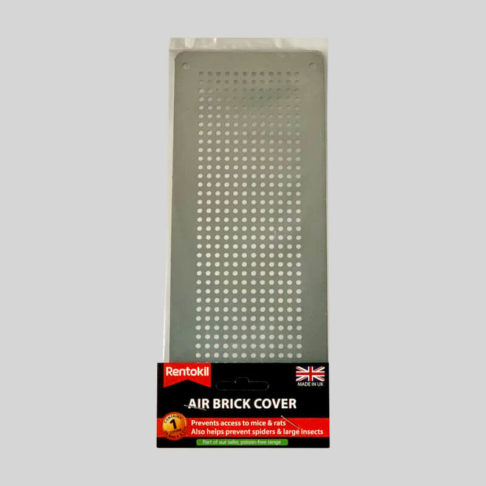
  • Ensure all ventilation ducts have close fitting screens.
  • Ensure doors and windows fit closely.
  • Try to resist feeding birds and animals in the garden – I know, I don’t take that advice either.
  • Poultry are a magnet for rats, mice, lice, mink, foxes etc.

Inside:

  • Seal all internal cracks and crevices.
  • Ensure piles of clothes and other debris do not accumulate.
  • Ensure waste and spilled food is cleaned up daily.
  • Vacuum regularly to eliminate the build up of dust and debris.
  • Keep your pets clean and free of fleas, ticks, worms and lice.
  • Try to prevent birds nesting in your loft or chimneys.


If you have to control a pest:

  • In a home or work situation you should always work on the basis of a presumption against using pesticides – particularly where children and pets are present.
  • Most of our common pest problems can be resolved perfectly well without resorting to synthetic pesticides.
  • Look for the least toxic solution first – we always offer you the choice.
  • Don’t assume that it is better to live trap and release a mouse/rat/rabbit/squirrel back into the wild miles from it’s home. You are almost certainly condemning the poor creature to death through stress, starvation or being eaten by a local predator looking out for some sad, homeless, lost, but tasty meal.
  • Be prepared to spend a bit more time resolving your pest problem and you will help save the environment, and through DIY, you will save lots of money.


If you use a personal insect repellent:

  • Only apply approved insect repellent on exposed skin and on top of clothing – don’t use under your clothing.
  • Don’t use personal insect repellent on children under the age of two. Read the instructions.
  • Don’t apply insect repellents to children’s hands.
  • Keep all insect repellent containers out of reach of children.

Pesticides and children:

  • Make it a rule – no pesticides to be used where children can come into contact with the product.
  • Make sure children cannot access pesticide containers – full or empty.
  • There are non-chemical ways of resolving most pest problems and we will offer you those alternatives where available.


Pesticides and pets:

  • Never use dog products on cats or cat products on dogs – using the wrong product can make your pet very ill and in the case of cats can cause death.
  • If fleas are a problem and you don’t want to use sprays, collars or baths, speak with your vet and ask for a gentler remedy, or better still, use a flea comb.
  • Never spray pesticides in a room containing pets, especially fish and birds.
  • If you cannot move the fish tank, turn the water re-cycling system off before spraying in the room and cover the tank.
  • Never allow pets back into the room until all sprays are dry.
  • Ventilate the room before use.
  • Never spray dogs toys or bones.
  • Ensure dog bedding is only sprayed with an approved product, and better still thoroughly wash and dry at a high temperature rather than spray.
  • Never use people products on your pets – they may cause skin irritation.


Pesticides and food:

  • Never use pesticides on food preparation, storage or eating surfaces.
  • There are several safe alternatives.

Pesticides in the garden:

  • There is now a wide range of organic, Soil Association Approved products for controlling all common garden pests.
  • There is no need to use chemical products in your garden as we have the solutions.

Before you use pesticides:

  • Learn all you can about your targeted pest.
  • Read, understand and follow directions on the product label.
  • Plan your campaign.
  • Monitor your results.

Storage and disposal of pesticides:

  • Store pesticides out of reach of children and pets.
  • Store pesticides in their original containers complete with labels.
  • Only buy as much pesticide as you need for your current task.
  • Don’t dispose of surplus pesticide by flushing it down the toilet or drain.
  • Consult your local council for a safe disposal facility for unwanted pesticides.
  • Dispose of empty pesticide containers in your normal household waste, first double wrapping the container in newspaper.
  • Don’t recycle empty containers or use them for alternative purposes.