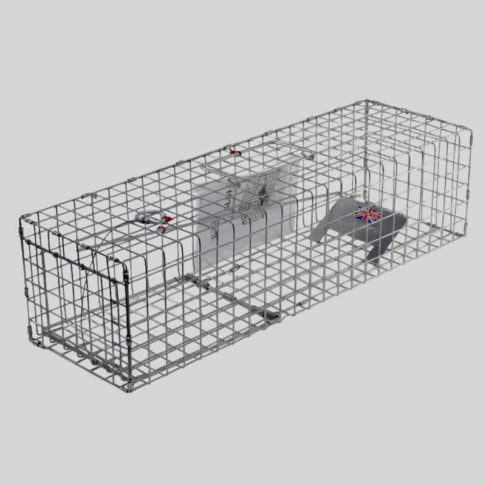
Mink
The mink is a medium-sized member of the weasel family. The first American mink were brought to British fur farms in 1929 and all wild mink in Britain today are descendants of escapees or illegal releases. The natural wild colouring is a glossy dark brown, appearing almost black in some light. Mink spend up to 80% of their time in their dens, sleeping, grooming and eating food they have carried home. Frequently found near water, they are often mistaken for otters, although mink are in fact considerably smaller. Mink are a major factor in the decimation of the water vole population, because they are small enough to follow their prey down its burrow. They are highly effective predators and, given the opportunity, will kill far more than they can carry away and eat. They are major predators of much of our native wildlife and should be controlled at every opportunity.
Mink: Description & Life Cycle
Mink are members of the weasel family. they were introduced into Britain from America in the 1950's and have since populated almost every river system the country.
Description:
- Mink have long sinuous bodies, short legs and a moderately bushy tail.
- Head is bluntly pointed with small round ears.
- Males are 50-70cm long and the females are slightly smaller.
- Fur is chocolate brown but appears black.
- Usually has a white patch on chin, chest and belly.
Life cycle:
- Mating takes place between february and April.
- Up to six young are born 30 days later.
- Kids are born deaf, blind and hairless but grow very quickly and are weaned at eight weeks old.
- They remain with their mother thropugh the summer but move away to find their own territories in the autumn.
Origin:
- All mink have originated from animals brought over here in the 1950's in order to farm them for their fur.
- Many mink escaped from the farms, and many more were released by animal rights activists.
- The unintended consequense of these escapes and releases has been devestating for some groups of our native fauna.