Payment Methods Accepted at DIY Pest Control

Mink

Mink


The mink is a medium-sized member of the weasel family. The first American mink were brought to British fur farms in 1929 and all wild mink in Britain today are descendants of escapees or illegal releases. The natural wild colouring is a glossy dark brown, appearing almost black in some light. Mink spend up to 80% of their time in their dens, sleeping, grooming and eating food they have carried home. Frequently found near water, they are often mistaken for otters, although mink are in fact considerably smaller. Mink are a major factor in the decimation of the water vole population, because they are small enough to follow their prey down its burrow. They are highly effective predators and, given the opportunity, will kill far more than they can carry away and eat. They are major predators of much of our native wildlife and should be controlled at every opportunity.

How to Prevent Entry

Mink are small, strong, determined, fearless and resourceful. Keeping them out of poultry houses and game pens can be a challenge.

  • Mink mainly use water courses ditches and drains as their network for travelling around their territories.
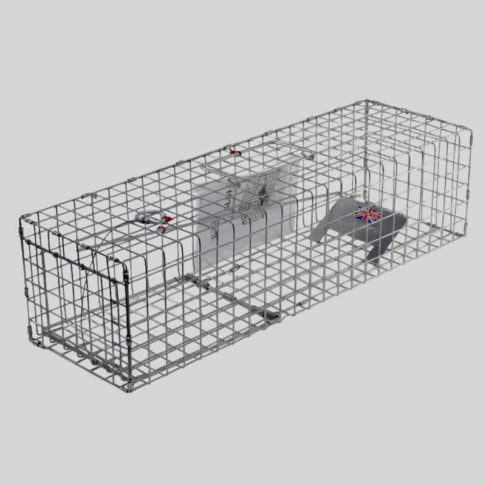
  • They are inquisitive and can't resist investigating tunnels; this provides us with an opportunity to control them.
  • Preventing entry is focused on preventing mink from colonising a particular territory through trapping the animals as they travel through their territory.
  • In order to prevent mink entering poultry housing, it is necessary to use chicken netting to completely enclose the run, and the netting should be dug 12 inches into the ground. Ensure there are no weaknesses in the timber structure or potential access holes. Mink are good climbers and will quickly exploit any construction weakness.