Showing all 9 results
-
 £27.54
 -
Sale!
£5.58 – £14.82
-
Sale!
£12.12 – £145.38
-
-
£3.84 – £9.60
-
£30.06
-
Sale!
£7.32 – £18.36
-
Sale!
£12.36 – £32.46
-
Sale!
£5.10 – £13.38
Showing all 9 results
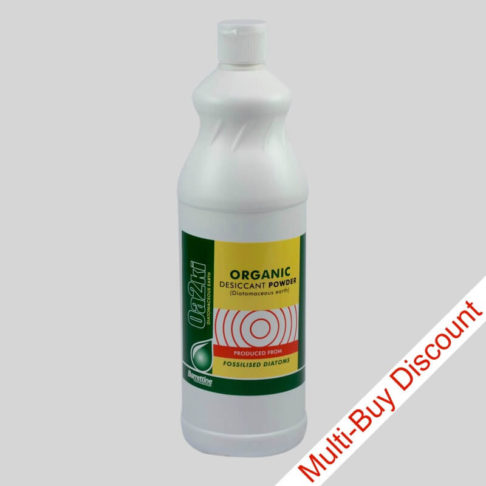
Woodlice Powders
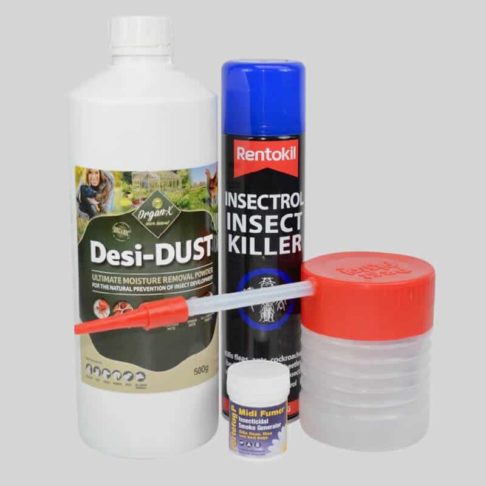
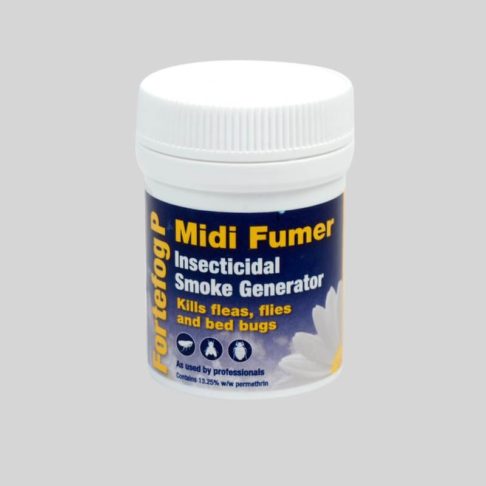
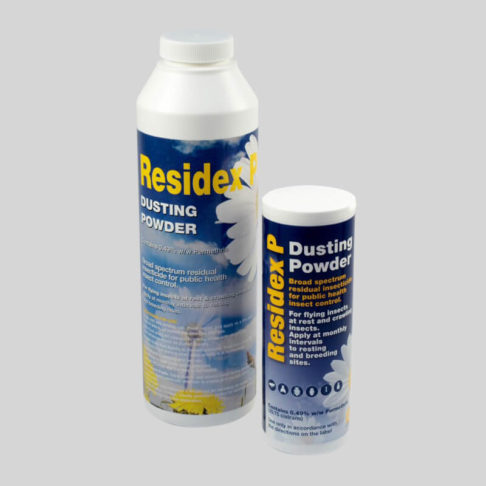
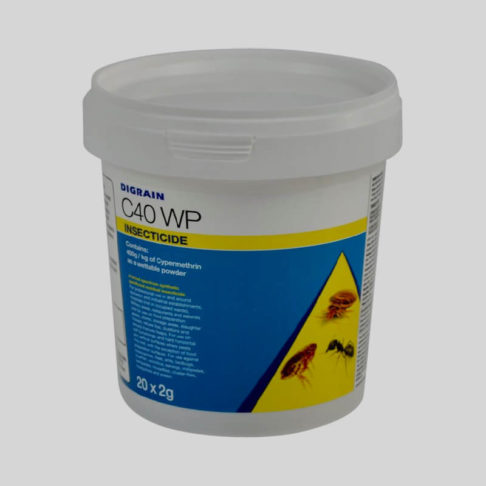
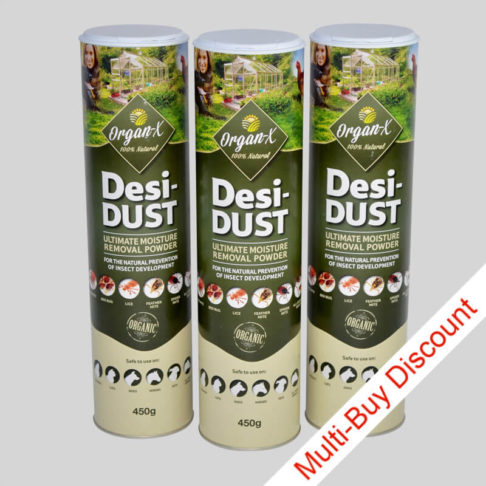
We have woodlice powder available in dry and wettable format. When using a wettable powder we recommend using a dust applicator for more accurate application. Dry powders can be sprinkled into cracks and crevices in your home or in the garden. Powders are ideal for treating areas that are difficult to treat directly.
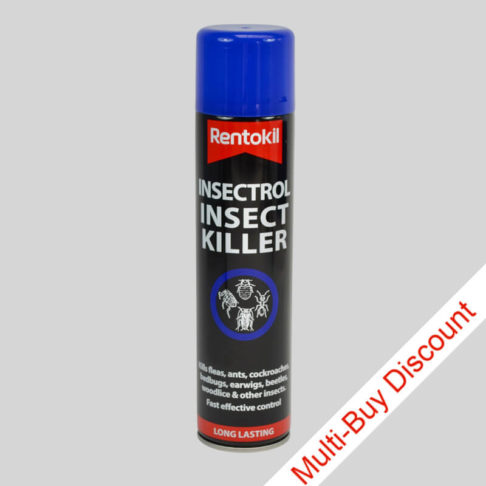
Woodlice Sprays
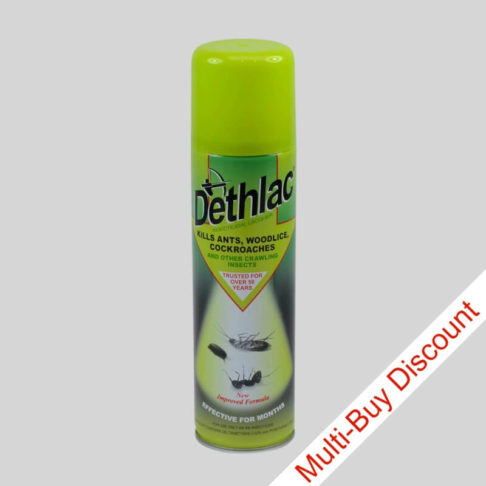
We sell a range of woodlice insecticidal sprays that can be directly applied onto visible woodlice and other high activity areas. These sprays contain highly effective active ingredients that result in a rapid knockdown effect. The sprays can also be directly applied to hard surfaces where it will dry and leave a deadly coating behind.