Payment Methods Accepted at DIY Pest Control

Woodlice

Woodlice

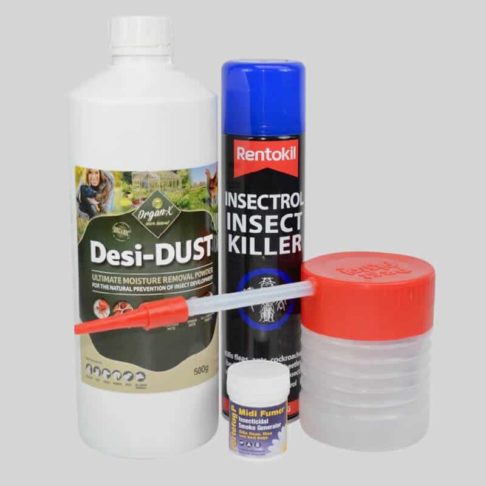
Woodlice are crustaceans related to slaters, shrimps, lobsters and crabs. They are the only crustaceans that have properly invaded land, without the need to return to water in order to breed, although they tend to be restricted to fairly damp places. Woodlice are quite harmless and in fact beneficial in their proper habitat by promoting the breakdown of dead vegetation and organic matter in the soil. They normally live outdoors but shun the light by hiding under stones, logs, loose bark, leaf-litter etc., or in hollow tree-trunks - almost anywhere that is fairly damp. However, they frequently come indoors and may take up residence inside buildings, surviving in any dark, damp places they can find. When large numbers of woodlice are found indoors, perhaps clustered in wall crevices or under skirting boards etc., it is always worth checking for excessive dampness in these places - just in case there is a structural problem with the damp proofing or damp course. Woodlice are easily controlled with insecticides or silica dust.

Your Questions Answered

Submit your question about Woodlice below. Please note that all questions are moderated so your question will not appear straight away.

Question


Q.
Do woodlice harm plants in garden tubbs

A.

No, woodlice eat decaying figrous material and will not harm healthy living plant tissue.


Q.
Do woodlice omit a smell? my son's bedroom has a very funny smell coming from the window, I think, and it was the same this time last year. upon closer inspection I found lots of them aroud the frame, is it these that are causing the smell?

A.

Almost certainly. Woodlice live in damp environments and rotten window frames are ideal for them. They eat the decaying wood fibres and have safe, humid living conditions to live and breed in.

They are very easy to kill with any insecticide spray or powder, but remember that powders do not work for long in damp conditions.


Q.
Woodlice appear on the windows in the winter. I clean it every day but next day they are there again. I have plastic window, but the glass is wet every morning. What can I do to get rid of them?

A.

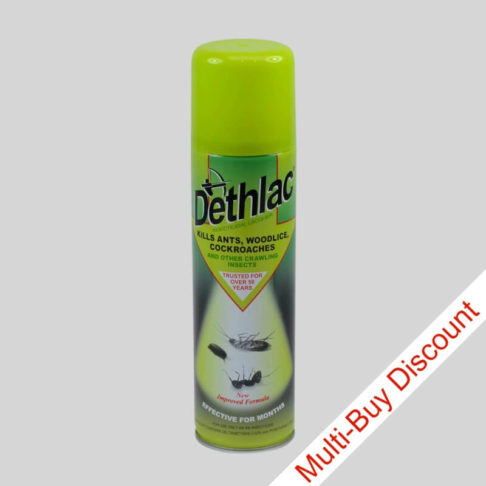
I would suggest a product called Dethlac laquer, which we sell on the site for £4.25.  It can be sprayed on  any firm, non absorbent surface (such as a window sill) where it dries to a hard clear film  leaving a toxic spray line.  Any insect crossing the line will die within a few hours.  One application remains active for months even if the surface is washed.

However I would advise you to tackle the issue of where the woodlice are entering the house.  It is possible they are coming in around the window.  Any entry points should be blocked up using decorators caulk or similar product


Q.
We have UPVC windows and the house is not damp (checked with damp meter) yet we get woodlice around the edges of the carpets. They usually die quickly but we cant find an entry were they are getting in. We are not overun by them but I want rid asap. Whays the remedy please.

A.

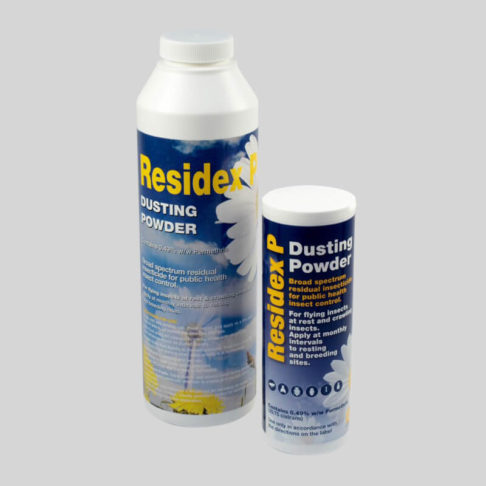
Hello.  I wonder if you have a cellar under the room in question.  This would be an ideal harbourage for woodlice and the house would not have to be damp at all.  Obviously with fitted carpets it's not an option but sealing around the lower edge of the skirting boards with an expanding foam is a good idea if the opportunity arises.  In the immediate, try Residex P dust.  It is a residual insecticide which means it stays effective for a period of about a month.  Dust it around the edges of the room and reapply about a month later.  It is designed for indoor use and is safe for domestic applications.  A 300g bottle would be about right.


Q.
I have woodlice eating the live healthy green leaves of my pansies. If they only eat decaying matter, why are they eating healthy leaves?

A.

Woodlice do have a preferred diet of decaying matter, but there are instances of these creatures eating healthy plant tissue, usually when there is some imbalance in the garden.  This results in an explosion of the woodlouse population and the tendency to turn to miscellaneous plants.

The imbalance can be caused by planting too many of the same types of plants, for example all rose or all dahlia gardens.  Adding a variety of plants encourages a variety of insects which keep the woodlice in their place.

More often than not the imbalance is due to an overuse of pesticides and fungicides. Woodlice are one of the insects that bounce back quickest after pesticide use and they can then start to fill the niches of other insects.

To discourage the woodlice from the healthy plants make sure there is plenty of mulch in the garden as they will undoubtedly eat that in preference to the new plants.  If you want to get rid of them diatomaceous earth spread over the areas they frequent will have some effect because it will cover their bodies as they crawl over it and prevent them taking in moisture which they need to survive.