

Starling Control
The UK has a resident starling population and a large number of winter immigrants from Northern Europe and North West Russia.They are seen in rural and urban areas in large groups. Very large city centre roosts have become less common as Starling numbers are declining steeply and British Trust for Ornithology surveys show that numbers in Britain have fallen by about 66% since the 1970s. This is largely due to the changing agricultural landscape with less permanent pasture and mixed farming reducing the supply of earthworms and leatherjackets on which the starlings feed.
Their wonderful aerial acrobatics as they gather over towns, woods and reedbeds to roost at night are a joy to watch. However, their sheer numbers (when they are joined by winter flocks from the continent) can cause problems underneath their town roosts where their droppings cause slip hazards and corrosion.
Starlings are now on the "Red List" of birds of conservation concern. It was removed as a pest species from general licences in England in February 2005.
Starlings are protected under the Wildlife and Countryside Act 1981, which makes it illegal to intentionally kill, injure or take a starling, or to take, damage or destroy an active nest or its contents.
Because they are on the red list of birds causing concern they are further protected by a class licence
Class Licence for Starlings
This licence permits owners of food premises to catch starlings which have become trapped in the building. Any birds captured must be released outside unharmed.
The licence may only be used to preserve public health or public safety and the food premises must be registered with Natural England.
All reasonable and lawful steps must have been taken to prevent the birds entering the building and other non-lethal methods of removing the birds (opening the doors) shown to be ineffective or impracticable
A personal licence must be obtained before any action can be taken and even then there are conditions attached to using it.
- The methods allowed to take the birds are 1. a net trap 2. a static mist-net for taking birds in flight 3. any sound recording in conjunction with 1 and 2
- Any person using a static mist-net must hold a personal licence from Natural England qualifying the in mist-netting or an A or B permit from the British Trust for Ornithology.
- The food premises must be registered with Natural England Licencing Unit. There must be a named person registered responsible for the conduct of all activities carried out under this licence. if the registered person chooses a pest controller to carry out the work he must have a signed letter to that effect.
- Appropriate legal methods of preventing the birds entering must have been taken and any proofing measures must be installed and properly maintained, and all legal methods of flushing out the birds must have been shown to be ineffective
- Birds must be released in daylight hours.
- The licence must not be used to prevent nuisance, but only for the purpose stated.
- The licencee must keep a record for two years beyond the expiry date of all birds taken and released and a summary of licenced activity must be sent to Natural England annually
The provision to control starlings under a general licence was removed from the Act in England and Wales, making the species fully protected in England and Wales.
Except in very specific circumstances, Starling population control is illegal and any effort to reduce inconvenience should be limited to dissuading the birds from using specific roosts that have a direct impact on human health and safety.
Description:
- Smaller than blackbirds, with a short tail, pointed head, triangular wings, starlings look black at a distance but when seen closer they are very glossy with a sheen of purples and greens.
- In winter the body feathers become tipped with white, giving a speckled appearance
- Their flight is fast and direct and they walk and run confidently on the ground.
- Noisy and gregarious, starlings spend a lot of the year in flocks.
- They make a chattering sound and can imitate other species, even telephones or car alarms
Life cycle:
They nest in loose colonies and do not establish and defend a proper territory - only the immediate area around the nesting cavity is defended. The whole colony feeds communally in what is termed a home range.
To attract a mate, the male builds the base of the nest from dry grass and leaves in a hole and sings from perches close to the nest entrance. The female completes the nest by making a nest cup and lining it with fine grasses, moss and feathers.
- Starlings lay 4-6 eggs in mid-April.
- The chicks hatch in 12 days.
- Both parents feed the chicks a diet of insects, larvae, spiders and earthworms.
- Young fledge at 3 weeks old and are fed for a further week or two before they become independent.
- Normally only one brood is raised a year, but chick success is very high due to the protected environment of the inaccessible nest holes.
Habitat:
- Starlings nest in holes in buildings and trees, in loft spaces and nest boxes.
- They feed over farmland on a diet of insects, worms, fruit and some grains.
- The area around the nest is usually streaked white with droppings
Habits:
- Noisy and gregarious, they are enthusiastic competitors for food, especially in a garden bird feeder situation.
- During the winter months the UK population is joined by starlings that have bred in Europe and they form flocks of many thousands of birds.
- Those flocks feed on farmland through the day and roost in woods, reedbeds and city buildings over-night.
- Some flocks are particularly attracted to cities because the average night-time temperature in cities tend to be a degree or so warmer than in the countryside.
- In the spring, the flocks disperse back to their breeding grounds.
Starlings are protected under the Wildlife and Countryside Act 1981, which makes it illegal to intentionally kill, injure or take a starling, or to take, damage or destroy an active nest or its contents.
Starling control is limited to dissuading the birds from roosting in specific locations that may have a direct impact on human health and safety.
They are small and agile so sprung wire and spiders are ineffective against them. Spike systems can sometimes deter them but installation of 28mm netting or weldmesh is the only sure way to proof against them.
Scaring techniques, using distress calls in conjunction with other loud noises and bright lights can be effective at moving them on.
Featured Products & Best Sellers
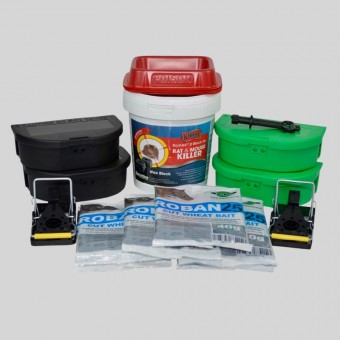
Mouse Control Kits - Difenacoum
£20.16
In Stock
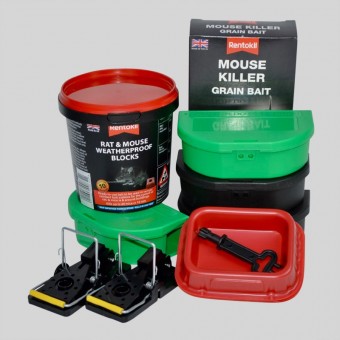
Mouse Control Kits - Brodifacoum
£21.06
In Stock
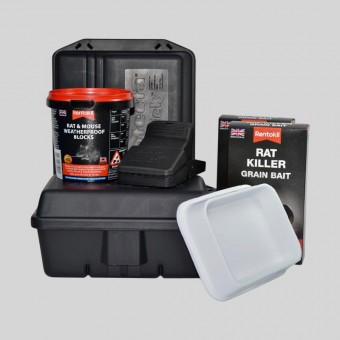
Rat Control Kits - Brodifacoum
£40.98
In Stock
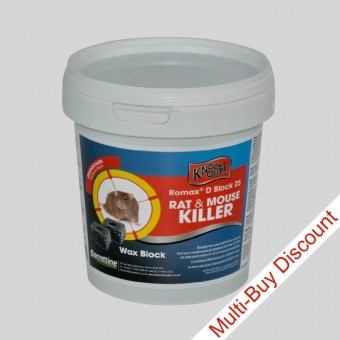
Romax D Block Rat and Mouse Killer
£6.78
In Stock
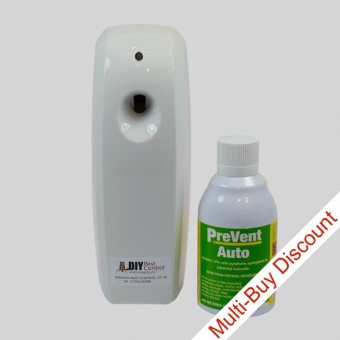
Prevent Auto Dispenser & Insecticidal Aerosol 250ml
£36.24
In Stock
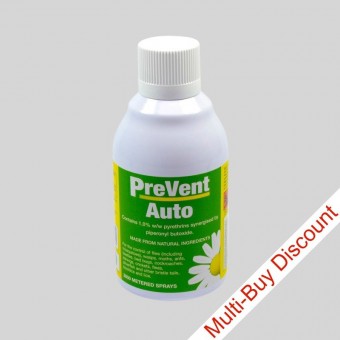
Prevent Auto Insecticidal Aerosol 250ml
£7.68
In Stock

Insecto Smokebombs 3.5g, 15g, 31g
£11.64
In Stock

£5.46
In Stock
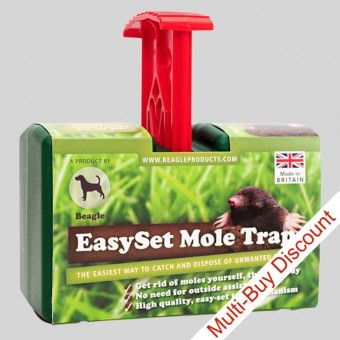
£22.02
In Stock
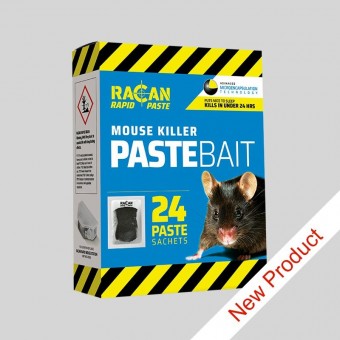
£14.58
In Stock
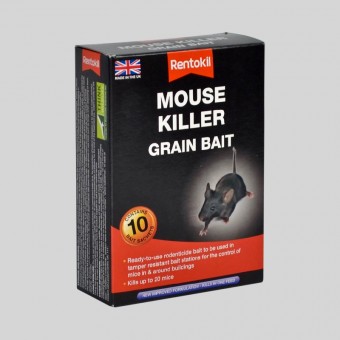
Rentokil Mouse Killer Grain Bait 100g
£5.64
In Stock
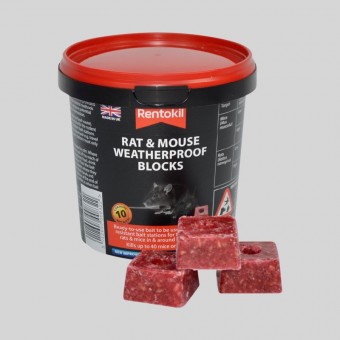
Rentokil Rat & Mouse Weatherproof Blocks 200g
£7.50
In Stock
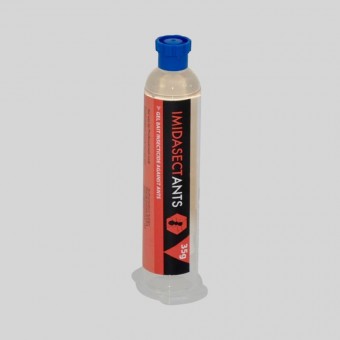
£23.46
In Stock
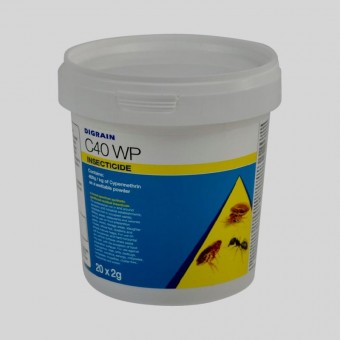
£31.98
In Stock
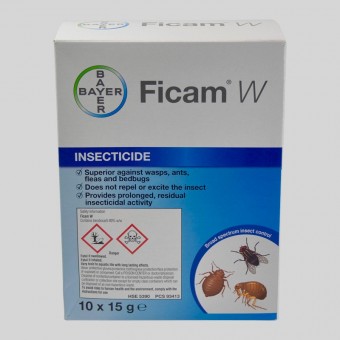
£19.08
In Stock

Knockout Rat & Mouse Killer Pasta 150g
£9.06
In Stock
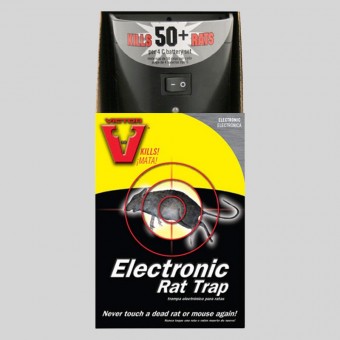
£44.10
In Stock

£27.60
In Stock
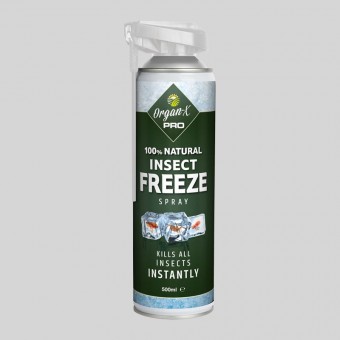
£12.24
In Stock

DIY Pest Control Ltd, Pontefract Street, Osmaston Park Industrial Estate, Derby. DE24 8JD.
© DIY Pest Control Ltd 2019 | Registered in England: Company Reg. No 5991770