Squirrel Control
Loved and hated in equal measure, the alien grey squirrel is now firmly established throughout most of Britain.
Loved because it is cute and cuddly looking. Hated because it has been largely instrumental in driving our own native red squirrel to the edge of extinction.
Predates bird nests, eating eggs and young, causes considerable damage to native woodland through stripping bark, gains access to loft spaces in homes and subsequently damages electrical cables and water pipes causing house fires and flooding.
Competes for food with our native and endangered dormouse, need we go on?
- The majority of squirrel problems can be resolved by yourself. Squirrels are easy to trap.
- Where access is a problem or remedial work needs to be done you may need outside assistance.
How to catch squirrels:
The first thing to remember is that it is illegal to release a Grey Squirrel into the wild, so catch and release is not an option.
There are two options for catching grey squirrel, (discounting poisoning with warfarin):
- Live capture cage traps are the only option if there are any Red Squirrels in the area. The Red Squirrel can then be released, or a Grey Squirrel can be dispatched.
- Lethal Traps are a good option if there are no Red Squirrels in the area as modern lethal traps are highly efficient and humane. Also, it means you don't have to dispatch the squirrel yourself.
Live Capture Traps:
- We advise just using a Single Catch Trap as one squirrel is quite enough to deal with at one time.
- We also like the Elgeeco Live Catch Trap as it can be secured to a tree or fence in an upright position and it has a retreat box available that allows the caught squirrel to hide is so it is not stressed too much.
- All live catch traps need baiting with maize, wheat, peanuts or sunflower seeds.
- Prebait the traps for a few days to get the squirrels feeding and confident before setting the trap.
- Don't be tempted to buy cheap or small traps or double entry traps; the cheap traps tend to have cheap and inefficient mechanisms and some of the specialist squirrel traps are too small and squirrels frequently escape because they are not fully in before the trap goes off. You will not catch a squirrel out again if it has been badly frightened.
Lethal traps:
- In a domestic situation we prefer the Kania 2000 because it is a very powerful and effective trap that can be used off the ground in a position that only a squirrel is going to be able to access. They are expensive, but one trap will last a lifetime and you can be confident in it's ability to kill humanely time after time.
- The Fenn Mk. 6 Traps are also highly effective but require more skill to set correctly and precautions must be made to ensure no non-target animals access the traps
Grey squirrels are not native to Britain, they were introduced from USA/Canada between 1876 and 1930.
Description:
- probably our best known and most recognised urban mammal
- upper fur is mainly grey with mid-brown along the upper back and chestnut over the flanks
- white underside, grey tail banded with brown and black and with a white fringe
- they live for 5-7 years
- they weigh 450-650gramms
- their body is 24-26cm long and their tail is 19-24cm long
Life cycle:
- gestation is 44 days
- young are called kittens
- generally two litters per year of between 3 and 7 kittens
- they leave their nest (dray) after about 7 weeks
The problem with Grey Squirrels:
- squirrels are serious pests to forestry plantations where they cause damage by stripping bark from tree trunks
- in towns and cities grey squirrels cause problems when they gain access to roof spaces via building defects.
- once they have gained access squirrels can cause damage to roof timbers, electrical wiring and plumbing
- problems can also be caused to gardeners, allotment holders and market gardeners, as grey squirrels will take cereals, fruit and vegetables
- Grey Squirrels can carry Parapox virus, which is fatal to Red Squirrels
- our native Red Squirrel has been forced to the edge of extinction in England as a direct result of competition from the Grey Squirrel
Grey Squirrels are widespread throughout all but half a dozen areas in England where they are eliminated on sight in order to try and safeguard those last remaining retreats of the Red Squirrel.
Habitat:
- Grey Squirrels are woodland animals preferring to live and nest in high trees.
- They prefer deciduous woodland to coniferous woodland
- they construct nests called 'drays' high up in the tree canopy
- these drays are made from twigs, leaves and moss
- in recent times they have taken to living in the lofts of houses - perhaps because of increasing competition for suitable nest spaces
Habits:
- Squirrels are partial to food put out in gardens for songbirds; they particularly enjoy peanuts
- They store nuts in the ground in the autumn, but those nuts are frequently found and eaten by badgers
- They do not hibernate over winter, but may be less active when weather conditions are bad.
- Grey squirrels eat seeds, buds, flowers, shoots, nuts, berries and fruit from many trees and shrubs.
- They also eat birds' eggs and fledglings.
Grey squirrels are bad news if they set up home in your loft. Being rodents, they must gnaw in order to keep their front teeth in good condition. They can quickly cause considerable damage in attics and loft spaces. House fires are becoming more common as a result of their chewing electrical cables and flooding is a constant danger if modern plastic plumbing is used in the house.
Keep squirrels out:
- carefully check around the outside structure of your house at least once per year looking for broken tiles, missing cement rendering and rotten or missing timber work
- try and make sure that tree branches do not over-hang your roof as squirrels will quickly access your roof and check it out for any weaknesses
- keep ivy and creepers from spreading up the walls and onto the drain pipes or roof. Squirrels will use anything to explore new territory
Featured Products & Best Sellers
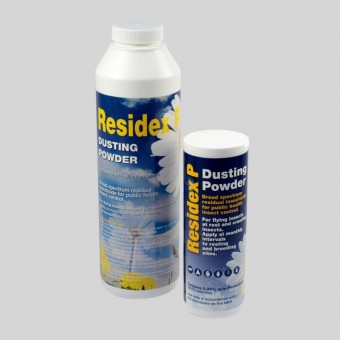
Insect Dusting Powder Residex P
£3.00
In Stock

Lodi Jade Rodent Poison Block Bait 1.5kg
£18.36
In Stock
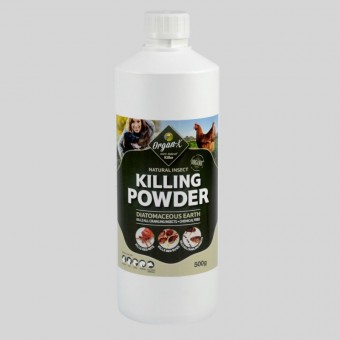
Organ-X Insect Killing Powder 500g
£6.40
In Stock
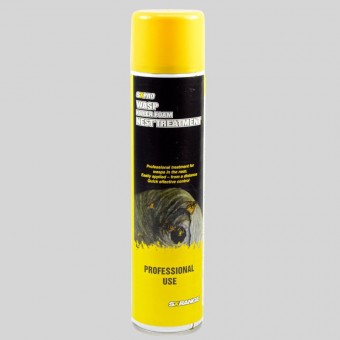
SX Wasp Nest Destroyer Foam 600ml
£6.19
In Stock
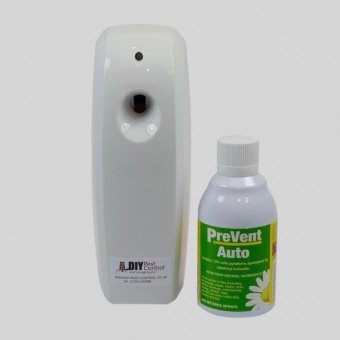
Prevent Auto Dispenser & Insecticidal Aerosol 250ml
£43.92
In Stock
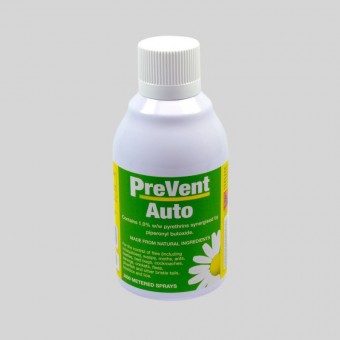
Prevent Auto Insecticidal Aerosol 250ml
£7.60
In Stock
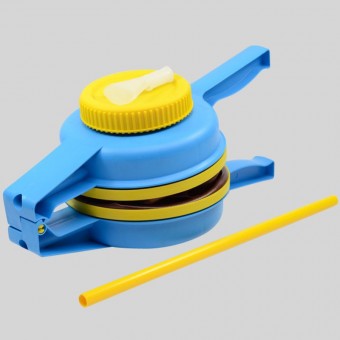
Polminor Insect Powder Dust Bellows 2ltr
£31.62
In Stock
£12.60
In Stock

Acclaim Flea Control Spray 500ml
£13.14
In Stock

Ficam D Insecticide Powder 3kg
£43.38
In Stock
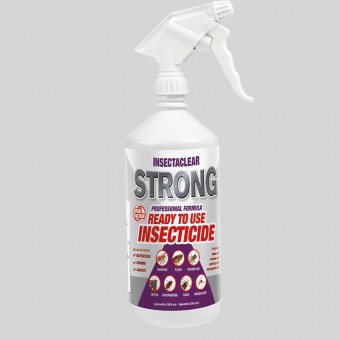
Insectaclear Strong Insect Spray
£9.96
In Stock