

Woodworm Beetle Control
Woodworm refers to the larvae of the wood-boring beetles of which four species are the most common in Britain. As is usual with beetles, the adults are fairly harmless but the larvae have voratious appetites for - in this case - timber. They leave evidence of their activity as tiny, neat round holes (as if darts had been thrown at the wood). You will usually find small piles of powdery dust around the holes. This is known as 'frass' but it does not confirm that the infestation is current and active as frass can remain undisturbed for decades. If you think your woodworm infestation is substantial, you need to call in professional help. If however you need to treat the odd piece of furniture or small area, it is very manageable with the correct woodworm killer fluid
- Small isolated infestations can easily be treated yourself using either chemical or non-toxic means.
- Large and extensive infestations are better dealt with by a specialist company, but they will use pretty toxic chemicals to make sure the job is completed at the first visit.
Bear in mind that most old buildings will have extinct infestations. These do not need more treatment; however, some surveyors and parties with vested interests will try to convince you that the insects are active and recommend chemical treatments. If you can't check this for yourself, at least get a second or third opinion.
Chemical Treatment:
- the safest yet most effective of the chemical treatments for woodworm is Boron Ultra 12
- apply Boron as a wet, water based liquid through a suitable sprayer
- thoroughly coat all visible surfaces of the infected timber and any other timber you suspect might be vulnerable to woodworm attack
- leave for one hour or until dry before re-entry into the room
- take care to ensure you do not spray any electrical components. If in doubt, switch off the electic at the consumer box
What is Boron?
Boron is an Element and in its natural form is found in the ground as a mineral deposit in the crystalline group known as 'Borates' (oxides of boron). This group includes boric acid, borax and others. Small amounts of boron are found in the soil, sea, plants and animals. Borates are essential micronutrients and excess amounts in the human body do not accumulate, but are simply excreted in urine.
Use pesticides safely and always read and understand the label
There are three beetle species in Britain that invade and consume wood; Furniture Beetle; Deathwatch Beetle; House Longhorn Beetle.
The Common Furniture beetle is widespread and active in all parts of Britain. The House Longhorn Beetle is sometimes seen in the south of England, but this is a 'notifiable pest' and may only be treated by qualified professionals. The Deathwatch Beetle is common throughout the south, less common in the north and is not present in Scotland. The Deathwatch Beetle specialises in very damp timbers, especially if there is also fungal activity.
As the House Longhorn and the deathwatch Beetles should be dealt with by professional operators, we will deal with the Common Furniture Beetle.
Description:
- adult is 2.7-4.5 mm long
- winged and capable of flight
- brown in colour
- adults leave the timber and so may be seen between May and September
Life cycle:
- adults do not feed, they just reproduce
- female lays eggs into cracks in the wood, or old exit holes
- eggs hatch after 3 weeks each producing a 1mm long, creamy white larva
- for 3-4 years the larvae bore randomly through the timber following and eating the starchy part of the wood and growing to about 7mm.
- they come near to the wood surface when ready to pupate
- they excavate small spaces just under the wood surface and pupate within 8 weeks
- the adults then break through to the surface leaving a 1-1.5mm exit hole and spilling a small pile of wood dust called 'frass'
- fresh frass is a fairly reliable indicator of a current infestation
The Common Furniture Beetle is a woodland insect, but also loves old houses and old furniture.
Woodworm prefers timber with a moisture content of over 20%. The average moisture content of kiln dried timber used to build new homes is 20% maximum but over the years it will stabilise depending on environmental conditions. This could well be at around 22% over winter and under 20% over summer months. So, woodworm infestation is always a possibility in untreated timbers.
Because woodworm cannot tolerate dry conditions, you should aim to ensure that timber is not subject to damp resulting from poor ventilation or lack of maintenance of the roof structure and drainage systems.
Featured Products & Best Sellers
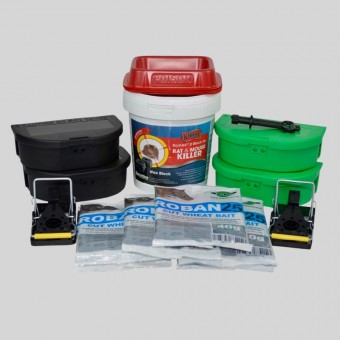
Mouse Control Kits - Difenacoum
£20.16
In Stock
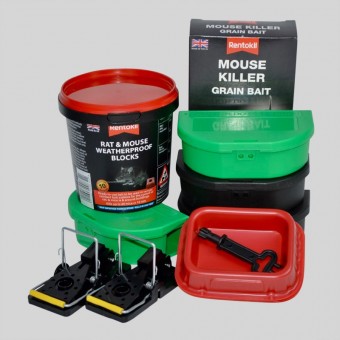
Mouse Control Kits - Brodifacoum
£21.06
In Stock
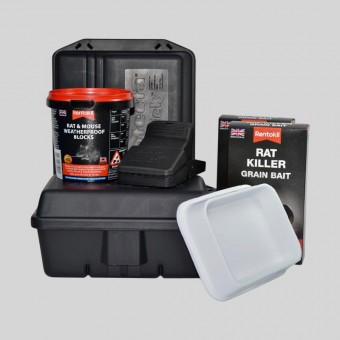
Rat Control Kits - Brodifacoum
£40.98
In Stock
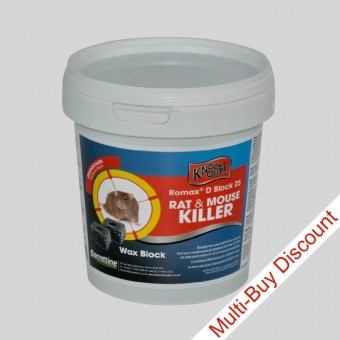
Romax D Block Rat and Mouse Killer
£6.78
In Stock
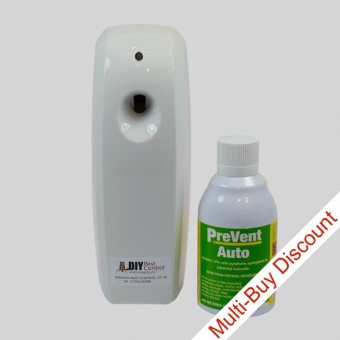
Prevent Auto Dispenser & Insecticidal Aerosol 250ml
£36.24
In Stock
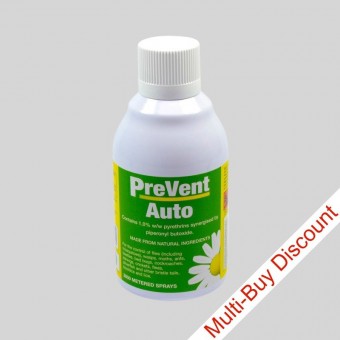
Prevent Auto Insecticidal Aerosol 250ml
£7.68
In Stock

Insecto Smokebombs 3.5g, 15g, 31g
£11.64
In Stock

£5.46
In Stock
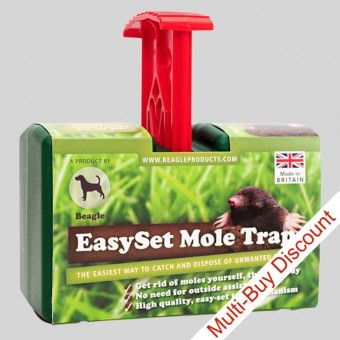
£22.02
In Stock
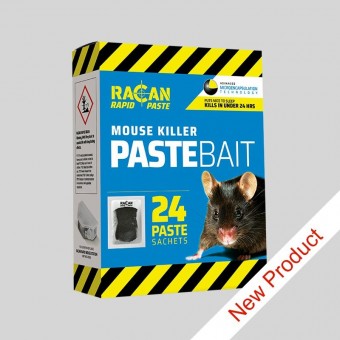
£14.58
In Stock
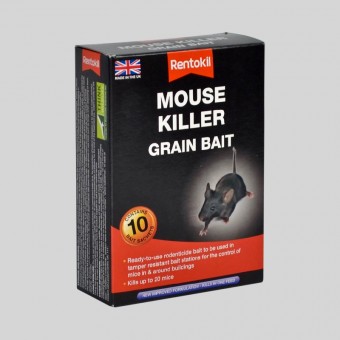
Rentokil Mouse Killer Grain Bait 100g
£5.64
In Stock
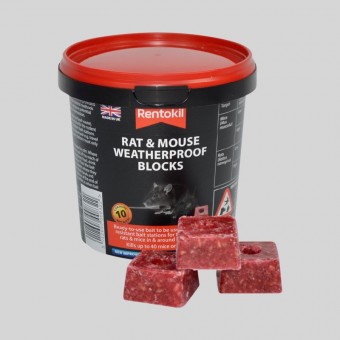
Rentokil Rat & Mouse Weatherproof Blocks 200g
£7.50
In Stock
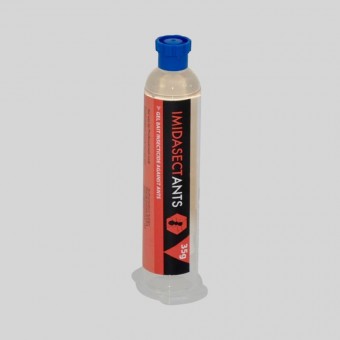
£23.46
In Stock
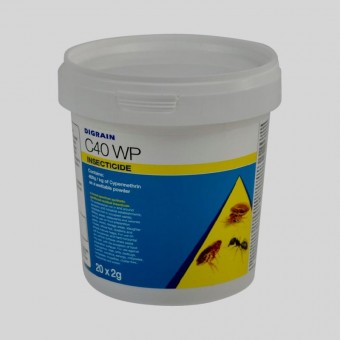
£31.98
In Stock
£19.08
In Stock

Knockout Rat & Mouse Killer Pasta 150g
£9.06
In Stock
£44.10
In Stock
£27.60
In Stock
£12.24
In Stock

DIY Pest Control Ltd, Pontefract Street, Osmaston Park Industrial Estate, Derby. DE24 8JD.
© DIY Pest Control Ltd 2019 | Registered in England: Company Reg. No 5991770