

Ladybird Control
Native ladybirds are quite harmless and are actually beneficial in the removal of aphids. But this popular bug is now being threatened by the Harlequin Ladybird, a voracious invader from Asia. The Harlequin Ladybird is one of the most invasive insect species in the world. It may have taken the Grey Squirrel 100 years to spread throughout the UK, this ladybird managed it in just 10 years. It was introduced to the United States in the 1980s to deal with the aphid population, but quickly spread. Its arrival here in 2004 was probably accidental, blown over from Europe where it had been introduced, again for aphid control.
The Harlequin Ladybird doesn't stick to one type of food, so once it has worked through the aphids it will turn its attention to the eggs and larvae of other ladybirds, moths and butterflies. They easily out-compete our native ladybirds for food, which is why they are now very scarce.
We have a range of products to eliminate an infestation of ladybirds
Simply hoovering the ladybirds up is one way of dealing with an infestation, or there are various insecticidal sprays you could use against them. Insecto Super bug Destroyer, Insectaclear Strong or Protector C would all be effective. Dethlac could be applied to window frames and as a residual treatment, would remain effective for a period of about 3 months after application. For serious infestations we supply three sizes of insect smoke bomb, which will kill all the ladybirds in one hit.
The pheromones that the ladybirds leave behind will attract other ladybirds, so it is advisable to thoroughly clean the places you have seen the ladybirds.
- Appearance-wise, Harlequin ladybirds are hard to distinguish from our native ones.
- They are slightly larger and their legs are brown instead of black.
- Colours vary from red and orange to black.
- They have a tendency to cluster in places such as window frames, corners and behind peeling wallpaper.
- They may bite if disturbed and can leave behind yellow staining and unpleasant odours.
- October- February: Adult ladybirds spend winter in a dormant state, known as 'overwintering'.
- March- April: Adult ladybirds become active and leave their overwintering sites to find food, aphids (greenfly).
- May: Male and female ladybirds mate.
- June- July: Mated females lay eggs which hatch into immature stages called 'larvae'. Larvae feed on aphids and then form 'pupae'.
- August: The new generation of adult ladybirds emerge from the pupae.
- September: These new adults feed but do not mate until next spring after they have overwintered.
Harlequin ladybirds have very strong dispersal capabilities and can be found just about anywhere. They are most commonly found on deciduous trees, such as lime, sycamore and maple and on low growing plants such as nettles. They will also inhabit reed beds, coniferous woodland and crop systems
Preventative methods are the same as for any insect species. It is practically impossible to keep them out, but sealing up any obvious cracks and crevices may help.
Spraying insecticide or a barrier spray onto surfaces in the autumn months may deter them from hibernating there.
Featured Products & Best Sellers
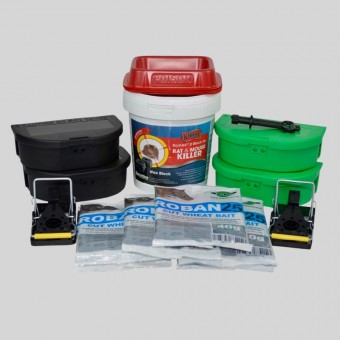
Mouse Control Kits - Difenacoum
£20.16
In Stock
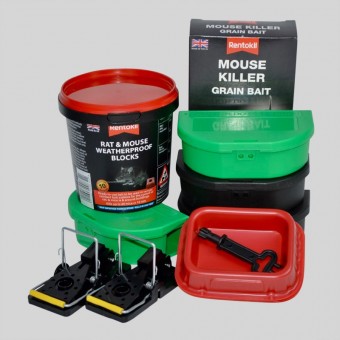
Mouse Control Kits - Brodifacoum
£21.06
In Stock
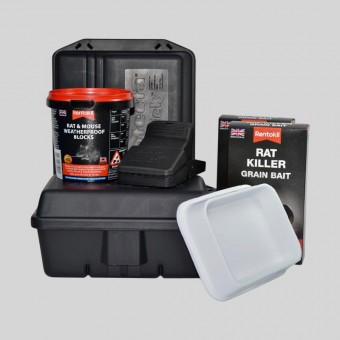
Rat Control Kits - Brodifacoum
£40.98
In Stock
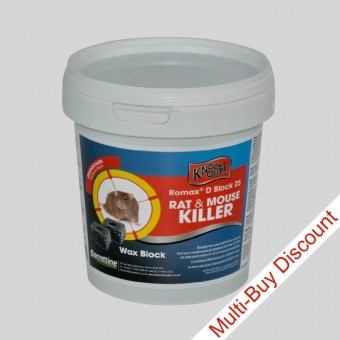
Romax D Block Rat and Mouse Killer
£6.78
In Stock

Prevent Auto Dispenser & Insecticidal Aerosol 250ml
£36.24
In Stock

Prevent Auto Insecticidal Aerosol 250ml
£7.68
In Stock

Insecto Smokebombs 3.5g, 15g, 31g
£11.64
In Stock

£5.46
In Stock
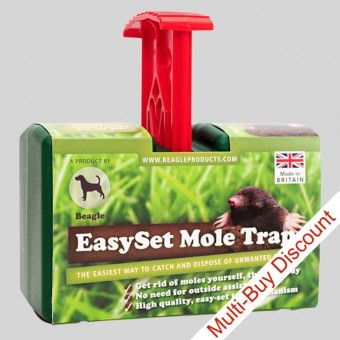
£22.02
In Stock
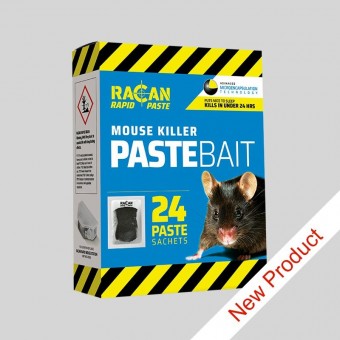
£14.58
In Stock
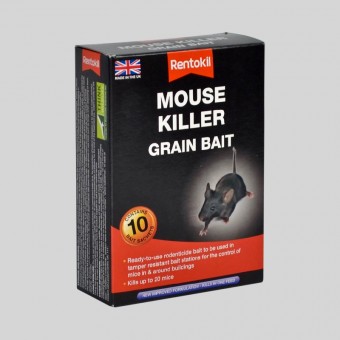
Rentokil Mouse Killer Grain Bait 100g
£5.64
In Stock
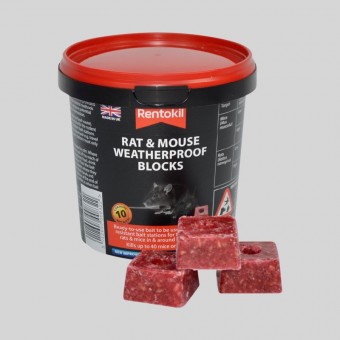
Rentokil Rat & Mouse Weatherproof Blocks 200g
£7.50
In Stock
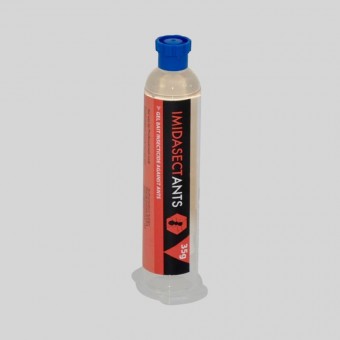
£23.46
In Stock
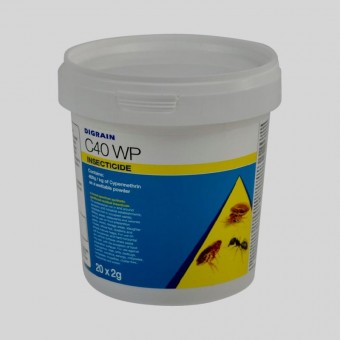
£31.98
In Stock
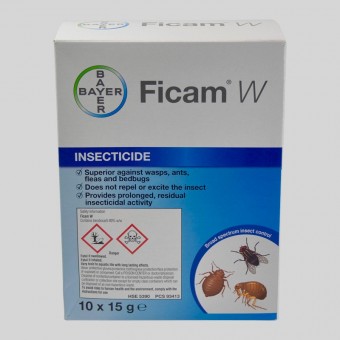
£19.08
In Stock

Knockout Rat & Mouse Killer Pasta 150g
£9.06
In Stock
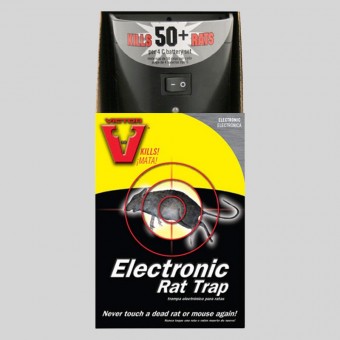
£44.10
In Stock
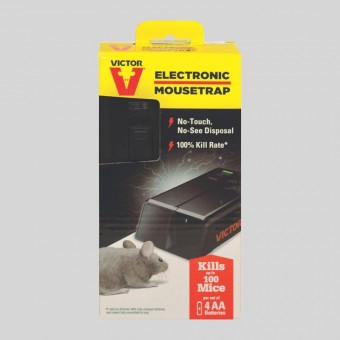
£27.60
In Stock
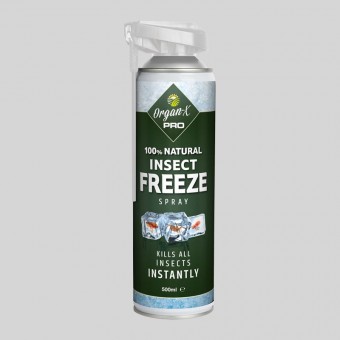
£12.24
In Stock

DIY Pest Control Ltd, Pontefract Street, Osmaston Park Industrial Estate, Derby. DE24 8JD.
© DIY Pest Control Ltd 2019 | Registered in England: Company Reg. No 5991770