

Earwig Control
Despite its name and threatening appearance, the common earwig is a harmless and interesting creature. Earwigs can be found in damp crevices in houses, gardens and woodland where they feed on decaying plant and animal matter and other insects. Their pincers can give a small nip to a human but they are normally used to scare away predators and to help them tuck their wings away.
Chemical control of earwigs is not necessary in the majority of cases, but whatever your chosen method of approach we have the products you need
Control options:
- where they are in relatively dry conditions, lightly dust the infested area with non-toxic Oa2ki Powder or Residex P if a chemical approach is preferred
- where in damp conditions spray with Oa2ki Spray or Protector C Spray
- spraying with soapy water also works
- if possible remove the earwig gently back into the garden
Use pesticides safely and always read and understand the label
The earwig is a fascinating species, and is one of the few non-social insects to show dedicated parental care of offspring.
Description:
- Earwigs are 8-18mm long.
- They have a long body, brown in colour.
- A pair of pincer like appendages at the end of its abdomen.
- Wings that fold away behind the thorax.
- Pincers are more curved in the male than the female.
Life cycle:
- between November and February, the female lays 50-90 white eggs in an undergound nest or within rotting wood
- she defends the eggs against predators and keeps them free from mould by licking them
- eggs take about 10-90 days to hatch, depending on the temperature
- after they hatch the female continues to care for the nymphs
- when strong enough the nymphs leave the nest and fend for themselves
- they resemble the adult but are paler and lack wings
Earwigs are typically at their most active at night, when they emerge from under refuges such as log piles, stones and crevices in fences to feed on other insects, detritus, fruit and plant matter.
They are garden and woodland dwellers where they feed on live and dead insects and plant materials.
Earwigs like to have a narrow crevice to hide in during the day, preferring to have contact with both the upper and lower parts of their bodies.
It was once commonly believed that earwigs would burrow into people's ears at night and lay eggs in their brains. In fact the story still circulates as an urban myth. Earwigs are not parasitic and would rather lay their eggs under a stone.
The best method of avoiding a plague of earwigs is to deny them suitable living conditions close to the house. Heavy plant growth and compost heaps near to the house provide excellent habitats for them.
In the garden, earwigs are only likely to be a problem if you are growing prize flowers. Only control them if you really need to.
If you do need to control earwigs in the garden:
- remove all debris and hiding places close to vulnerable plants
- use inverted flower pots stuffed with straw or crumpled newspaper perched on top of a short cane as a trap
- earwigs will use these as daytime sleeping quarters
- take the pot and shake out the earwigs in another part of the garden, or in a local woodland
If you need to prevent earwigs entering your home:
- earwigs generally seek out moist areas so if you have earwigs in a building, check the infrastucture for water leaks and rectify the problem
- you may find the occasional wandering vagrant indoors, in which case collect it and throw it outside
- the earwig may have been carried indoors hidden within a bunch of flowers
- in the case of persistent entry, spray or pencil a barrier insecticide such as Dethlac across window and door thresholds
- ensure that there is no debris close to the house where earwigs may be hiding through the day and accessing your house from at night
Featured Products & Best Sellers
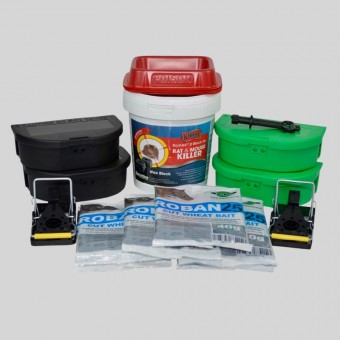
Mouse Control Kits - Difenacoum
£20.16
In Stock
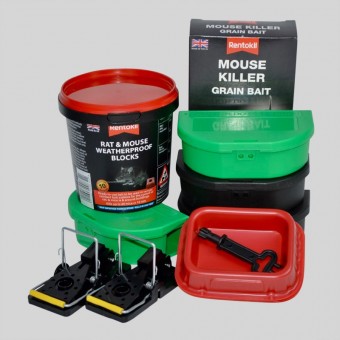
Mouse Control Kits - Brodifacoum
£21.06
In Stock
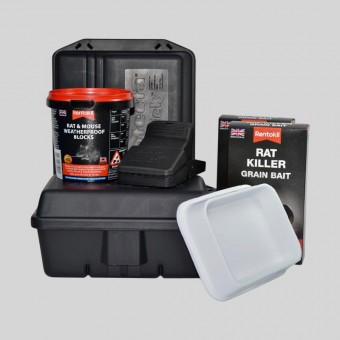
Rat Control Kits - Brodifacoum
£40.98
In Stock
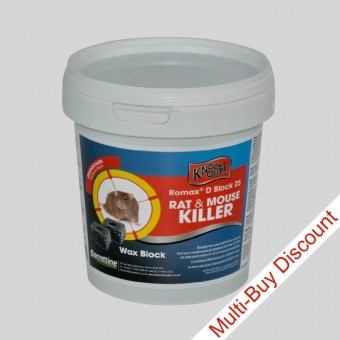
Romax D Block Rat and Mouse Killer
£6.78
In Stock
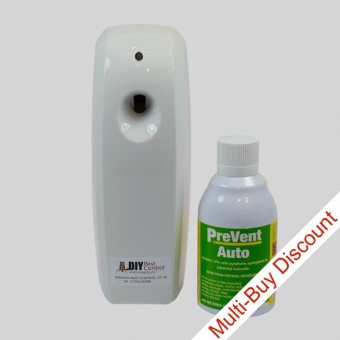
Prevent Auto Dispenser & Insecticidal Aerosol 250ml
£36.24
In Stock

Prevent Auto Insecticidal Aerosol 250ml
£7.68
In Stock

Insecto Smokebombs 3.5g, 15g, 31g
£11.64
In Stock

£5.46
In Stock
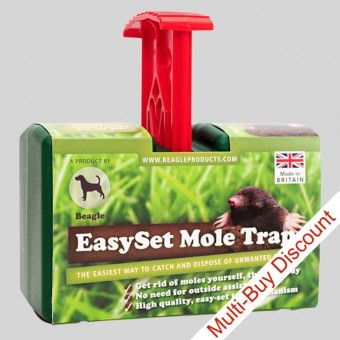
£22.02
In Stock
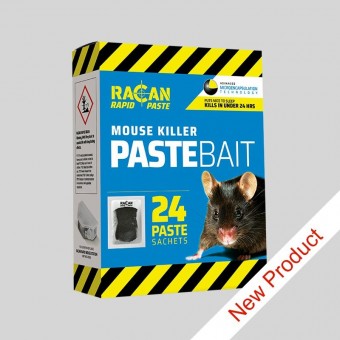
£14.58
In Stock
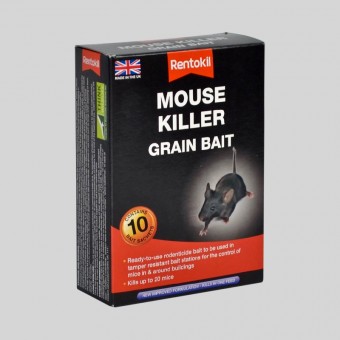
Rentokil Mouse Killer Grain Bait 100g
£5.64
In Stock
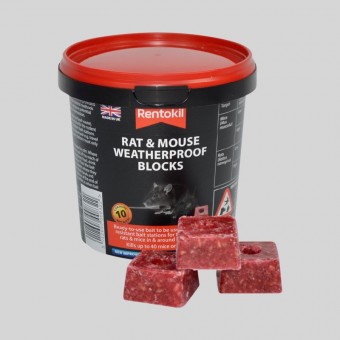
Rentokil Rat & Mouse Weatherproof Blocks 200g
£7.50
In Stock
£23.46
In Stock
£31.98
In Stock
£19.08
In Stock

Knockout Rat & Mouse Killer Pasta 150g
£9.06
In Stock
£44.10
In Stock
£27.60
In Stock
£12.24
In Stock

DIY Pest Control Ltd, Pontefract Street, Osmaston Park Industrial Estate, Derby. DE24 8JD.
© DIY Pest Control Ltd 2019 | Registered in England: Company Reg. No 5991770