

Mite Control
Conditions in poultry houses are ideal for the mites and large populations can rapidly develop.
Mites are nocturnal and spend the day resting in cracks and crevices where they cannot be preyed upon by the birds. At night time they will feed on the birds for up to two hours.
Freshly fed mites are bright red, but as the blood is digested they turn darker and eventually become colourless.
Mites can be introduced into poultry units from infestations associated with wild birds, with newly introduced poultry, on equipment, transport or clothing.
When mites infest buildings they can attack people causing painful and irritating bites.
Large infestations can also lead to the problems such as increased feather pecking, reduced egg production, weight loss and anaemia, which can lead to death.
Thorough cleaning of the empty poultry house including the outside by power washing, steam cleaning etc will control the mites and should precede the use of any pesticides
Equipment should be dismantled and thoroughly cleaned regularly
Poultry mites spend most of their time off the birds. Therefore chemical treatment must target the hiding places. This is best done when the poultry houses are empty between two cycles. Dipping, spraying or dusting the birds is mostly inefficient.
There are a number of parasiticides for the treatment of the hiding places against poultry mites. They contain mainly veteran active ingredients such as organophosphates (e.g.coumaphos, chlorpyrifos), carbamates (e.g.carbaryl) and synthetic pyrethroids (e.g. cypermethrin, deltamethrin, flumethrin). The problem with most such products is that mite resistance to most of them is widespread and very high, particularly resistance to synthetic pyrethroids. In fact, it is not rare that the only option left for solving the problem is demolishing the old poultry house and building a new one better designed to prevent mite infestation.
To reach the hiding places power spraying is highly recommended. Dusting is not adequate, since dusts do not adequately reach the hiding places. It is important to remember that many parasiticides approved for off-animal use on poultry houses are not approved for directly treating the birds.
An alternative to spraying can be in placing acaricide-impregnated self-made mite traps inside the poultry houses close to the birds (cages, perches, etc.). Such traps can consist in anything where mites can hide in, e.g. rolls or pieces of corrugated cardboard, plastic or metal tubes, etc. Impregnation can be done with the same acaricides used for power spraying. However, most commercial products have no use recommendations for this usage. Nevertheless, since the birds are not exposed to the chemicals, the risk of poisoning or illegal residues in eggs or meat should be quite low.
The tiny mites vary in appearance, depending on when they last fed – a mite is only red when it has consumed blood recently and changes colour again through black to grey as the interval between feeds increases.
Mites belong to one of the most diverse group of all the arachnids and can range in size from minute up to 1 centimetre.
Due to their diverse appearance a general description is difficult to give, however all have the following characteristics:
- 4 pairs of legs, although some juveniles only have 3 pairs gaining a forth pair with their first moult
- No external segmentation of the abdomen, individuals appear as a single body mass
- Never have antennae
When checking housing areas for mites, a tell-tale 'grey ash' around crevices is evidence of mite faeces, but the best time to examine a house is at night, when the mite can often be seen with the aid of a torch, both on and off the bird.
- Female mites lay as many as 40 eggs in batches of up to seven at a time, 12-24 hours after taking a blood meal.
- Eggs are oval, cream coloured and 0.4mm long
- Eggs are laid in nests, cracks and crevices around roost sites and hatch in 1-3 days to produce six-legged larvae
- The larvae do not feed and remain inactive until they moult within two days to produce eight-legged nymphs.
- Like the adults, nymphs take blood meals, usually at night, and shelter in crevices around nests
- There are typically two larval stages before they moult to become adults.
- The full life cycle takes only about a week
The poultry mite is a cosmopolitan species found throughout Europe. It is found naturally in wild birds' nests. They feed on blood and are particularly associated with pigeons, starlings, sparrows, swallows and house martins.
When the birds fledge, the mites disperse and infest nearby buildings including poultry units.
Adult mites are resistant to dessication and starvation and can survive without food for several months.
Temperature extremes are lethal. ( >45ºC and -20ºC)
Poultry mite populations can establish themselves very quickly and become deep seated, at which point they are difficult to control
Try to prevent infestations by removing and destroying any nests that may be infested, with due regard to any statutory protection which is in place for the bird species
In poultry houses, limit the harbourages available to the mites by limiting the use of wood, employing impervious materials that are easy to clean, equipment design and sealing potential refuges
Care should be taken not to introduce infestations on newly introduced poultry, equipment, transport or clothing
Buildings should be proofed to prevent the ingress of wild birds
Featured Products & Best Sellers
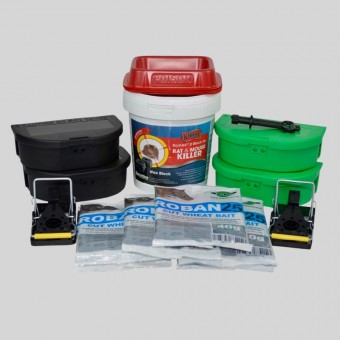
Mouse Control Kits - Difenacoum
£20.16
In Stock
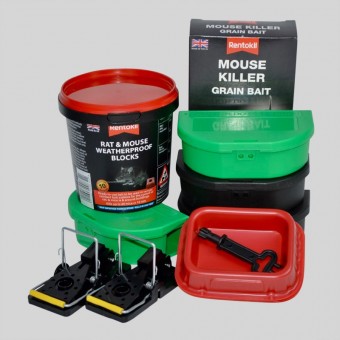
Mouse Control Kits - Brodifacoum
£21.06
In Stock
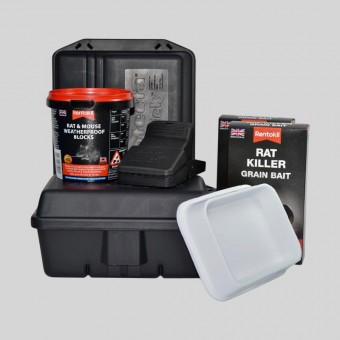
Rat Control Kits - Brodifacoum
£40.98
In Stock
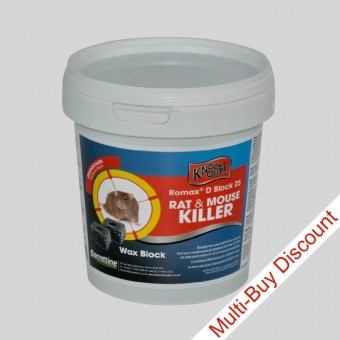
Romax D Block Rat and Mouse Killer
£6.78
In Stock
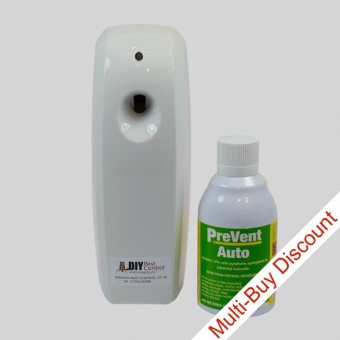
Prevent Auto Dispenser & Insecticidal Aerosol 250ml
£36.24
In Stock
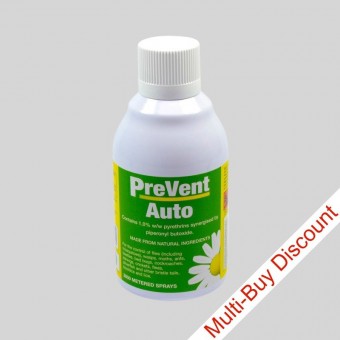
Prevent Auto Insecticidal Aerosol 250ml
£7.68
In Stock

Insecto Smokebombs 3.5g, 15g, 31g
£11.64
In Stock

£5.46
In Stock
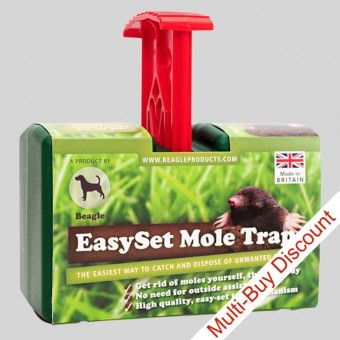
£22.02
In Stock
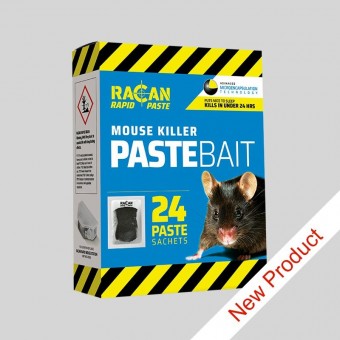
£14.58
In Stock
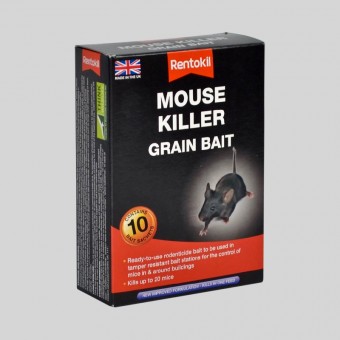
Rentokil Mouse Killer Grain Bait 100g
£5.64
In Stock
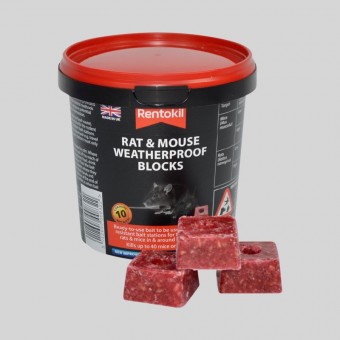
Rentokil Rat & Mouse Weatherproof Blocks 200g
£7.50
In Stock
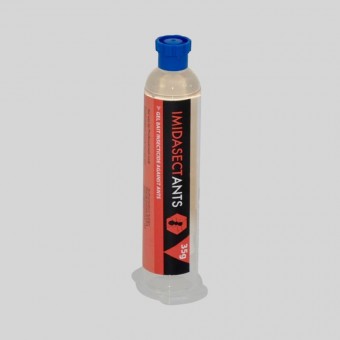
£23.46
In Stock
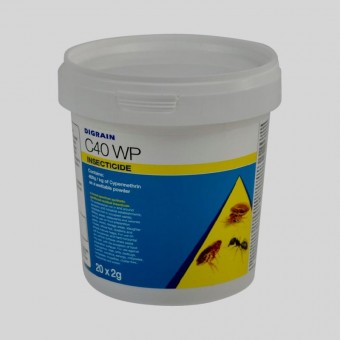
£31.98
In Stock
£19.08
In Stock

Knockout Rat & Mouse Killer Pasta 150g
£9.06
In Stock
£44.10
In Stock
£27.60
In Stock
£12.24
In Stock

DIY Pest Control Ltd, Pontefract Street, Osmaston Park Industrial Estate, Derby. DE24 8JD.
© DIY Pest Control Ltd 2019 | Registered in England: Company Reg. No 5991770