

Wasp Control
We offer a wide range of wasp control products including wasp killer sprays, wasp killer powders and wasp control equipment. Below you can find many facts and tips that will help you control or eliminate your wasp nest problems.
Some wasp nests are in positions that are easy to deal with on a DIY basis, but, be warned, take great care and do not tackle wasp nests from upon ladders.
If you are in any doubt about your ability, or concerned about the dangerous position of a nest, get in the professionals.
Just because you find a nest does not mean it has to be destroyed. If the wasps are not posing a danger to your family or customers you could simply leave them to get on with life.
All except the queens will be dead before winter and they will not re-use the same nest next year. Most of the queens will die or be predated on over winter so you don't have to destroy a nest.
If you do have to destroy a nest:
Ensure that you have adequate protective clothing, including a beekeepers veil to prevent wasps attacking your face.
Think long and hard before tackling a wasp nest above 2m off the ground - for safety issues
When approaching a wasp nest:
- do so in the late evening when activity around the nest is quiet. Remember though that activity is quiet because all the wasps are inside, so don't provoke an attack
- approach the nest from the side, not directly from the front. Wasps generally go to and from the nest on established flight paths which are mostly to the front and top, or bottom of the nest site
- move and do everything slowly and do not breathe heavily towards the nest. They will smell your breath and it may excite them
- if you follow this advice, you will be able to approach quite close without the wasps being aware of your presence
- the danger comes when you apply your chosen insecticide, whether it be spray or dust
- apply the product swiftly and accurately then make a controlled retreat to a safe distance
- the wasps will immediately start to exit the nest and swarm around the entrance searching for the intruder
- if you have applied a dust, they will contact the dust as they leave and re-enter the nest so spreading the dust to the inside of the nest
Your choice of treatments:
It depends where the nest is situated; generally the nest is in one of four locations:
- hanging in a tree, bush or shed with the whole, or the majority of the nest visible
- in an accessible loft space where you can see the whole of one side of the nest
- in an inaccessible place such as behind the sofit or bargeboard of a building
- underground with only the entrance hole visible
Where the nest is accessible, visible and easy and safe to reach:
- arm yourself with a spray tin of Keen Flying Insect Killer plus a tin of SX Pro Wasp Killer Foam or Digrain Wasp/Hornet Nest Destroyer
- ensure you are well protected with suitable clothing, gloves and a veil.
- approach slowly and carefully at a time when there is the least amount of activity around the nest
- if it is dark and you have to use a torch, don't shine the torch directly on the nest and ensure you have planned your access and escape route in advance
- don't hold the torch next to your body. If the occasional wasp does come out and attack it will direct its attack at the torch so you don't want to be holding it if possible
- plan to be able to complete the whole exercise within a couple of minutes. Most wasp nests don't take longer than this to treat, but beware of the big nests, they can be much more difficult to treat quickly and effectively
- briefly test your sprays before attempting the job so you know the range of the spray. Usually an effective distance is about three metres
- get yourself quietly into position and spray the nest all over with the Keen Flying Insect Killer, 5-10 seconds should do. That will quickly get rid of the wasps that will be crawling over the outside of the nest on guard duty.
- quickly take up your chosen product and thoroughly spray the entire nest to ensure all visible parts are well coated with the foam, 10 to 15 seconds should be enough
- ideally you should be in a position to get the spray into the nest entrance, but if you can't, don't worry because it seems to do the job just with the outside covered with foam
- depart quickly and quietly. Don't panic if there is a wasp or two zinging about. Provided you are well wrapped up you should be OK
- it may take up to 12 hours for all activity to stop around the nest. If it doesn't, go in and give it another dose.
Don't be put off by this long set if instructions, I have outlined this procedure in detail but most of the preparation goes on before by getting the plan of action right. The actual job will be over in only a couple of minutes for a smallish nest.
Remember, plan carefully, wrap up well, move slowly, execute the job quickly and take all due care.
Where the nest is inaccessible or underground:
- arm yourself with a puffer pack of Residex P Dust together with either a Pest Pistol or Polminor Bellows Duster with an extention, or a long cane with a spoon tied to the end
- ensure you are well protected with suitable clothing, gloves and a veil.
- approach slowly and carefully at a time when there is the least amount of activity around the nest
- if it is dark and you have to use a torch, don't shine the torch directly at the nest entrance and ensure you have planned your access and escape route in advance
- don't hold the torch next to your body. If the occasional wasp does come out and attack it will direct its attack at the torch so you don't want to be holding it if possible
- plan to be able to complete the whole exercise within a couple of minutes. Most wasp nests don't take longer than this to treat with powder, but beware of the big nests
- get yourself quietly into position and slowly deposit or puff a good dose of powder into the entrance of the nest. Don't pile in so much that it stops the wasps leaving the nest; they need to be able to go in and out of the nest in order to be able to transport the powder into the heart of the nest and thereby kill all the grubs and the queen inside
- activity around the nest should cease after about 12 hours, but if it continues - as it might if it was a large colony, without seeing the nest you don't know it's size - just repeat the dose and that should finish it.
Don't be put off by this long set if instructions, I have outlined this procedure in detail but most of the preparation goes on before by getting the plan of action right. The actual job will be over in only a couple of minutes.
Please contact us if you require any help choosing the right wasp control products for your needs.
Remember, plan carefully, wrap up well, move slowly, execute the job quickly and take all due care.
Use pesticides safely and always read and understand the label
Wasps are social insects. They construct new nests each year and never re-use an old nest.
Description:
Up to 30mm long.
Two pairs of membranous wings.
Mouthparts adapted for chewing.
Bright yellow and black striped body.
Ability to sting repeatedly.
Life cycle:
- queen overwinters in crevices and holes in buildings and trees
- queen emerges in the spring
- queen starts to build a nest constructed of wasp paper which is made by chewing wood fibre
- queen lays first eggs in the base of the nest
- 4-6 weeks later the first workers emerge
- these are small female wasps, the males emerge later in the season
- the workers take responsibility for maintaining and enlarging the nest
- the queen devotes her time to laying eggs for the workers to look after
- by the end of the season she may have laid 20,000 eggs
- in autumn new queens and males are produced
- the males fertilise the queens who then depart to find a safe place to overwinter
- as the weather cools, all the workers and males die leaving just the fertile queens to start the cycle again next spring
Wasps are generally beneficial insects because in the process of raising their young they consume large numbers of garden pest insect larvae, and decomposing carrion. They also consume carbohydrates in the form of fruit and the nectar of flowers, thereby performing a pollination service.
However, they do damage considerable amounts of fruit such as pears, apples, damsons and plums. In the process of nest building they also do minor damage to the fabric of buildings and fences.
Wasps do become a major nuisance towards the end of summer when they search avidly for anything sweet and aromatic.
It is the ability of wasps to cause painful stings that most concerns people and that is good enough reason to try and keep wasps out of our food preparation premises.
The only two things you can reasonably do are:
- fit screens to kitchen and food preparation area windows
- fit chain or plastic screens to doorways
Q. Is August a good time to destroy a wasp nest?
A.
If it is giving you a problem, destroy it as soon as possible. The longer you leave it the more wasps there will be and the greater the threat they will be to you when you do go in to destroy it.
Q. Hi We get upto 5 nests a year, every year. Sometimes in the garden, but generally in the loft. I think they are more attracted to the area above the bathroom, where the hot water tank is. Could this be one thing they are looking for in April - the heat? I have changed all soffits & fascias for plastic, and just in this little area around a dorma extension, they are getting in.
A.
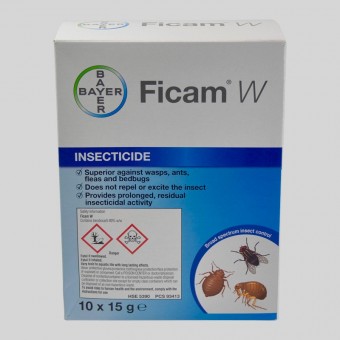
I think you are right about the attraction of warmth for the queen to build her nest. If it is possible, I would put a good dose of powder behind the soffit boards. you could use a powder like Ficam D for swift effect. Once you have eliminated the present inhabitants, you could use a non-toxic powder like Organ X, which will sit for years in the voids and any wasp entering and exploring with a view to building a nest should come into contact with the Organ X and subsequently die from dehydration. It is essential that the powder remains dry in order to be effective.
Q. If a powder is used away from the nest will the wasps take it to the nest on their feet and reduce/ destroy the colony?
A.
It would need to be ideally at the entrance to the nest as far as is possible, but in theory yes the wasps will take the powder into the nest as they enter
Q. Can nests be in small holes in brickwork, i keep seeing wasps go in and out of several tiny holes above kitchen window
A.
Wasps will happily build a nest in cavities behind bricks and this time of year it is common to see lone wasps flying in and out of holes between bricks looking for nest sites. Block the holes up before the wasps take up residence and you have a bigger problem
Q. what if you can't find the nest? They are in the front and back yard? How do I take care of this?
A.
If you cannot locate the nest you need to deal with the wasps that you can see. Try hanging up a wasp and fly dome which will attract the wasps and trap them inside. The Agrisense disposable wasp trap works in the same way
Q. we have had about half a dozen to ten wasps buzzing around the same area on the gutter area of our dormer bunglaow for a couple of weeks now, especially in the hot period of weather, husband has sealed all areas and sprayed with foam, we can't see any getting in just hovering all the time. We had all the ceilings upstairs replaced and there was a couple of dead large bee nests which we knew about as last year we had a problem with honey bees and had to have aguy out to spray them. £45 a time is too expensive so do you think we have a problem?
A.
Just monitor the situation. Wasps do hover around potential nest sites when looking for a place to build a nest but that doesn't mean there will be a nest. The precautions your husband has taken appear sound and hopefully he stopped any wasps getting in to nest.
Featured Products & Best Sellers
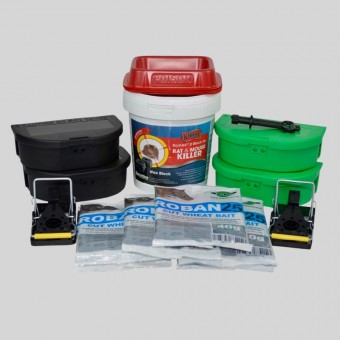
Mouse Control Kits - Difenacoum
£20.16
In Stock
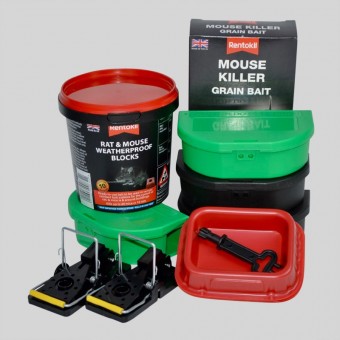
Mouse Control Kits - Brodifacoum
£21.06
In Stock
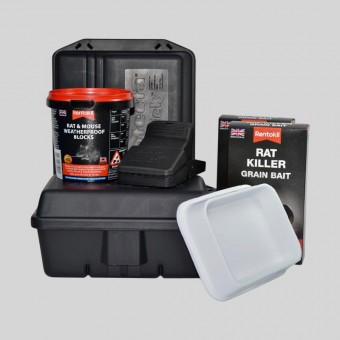
Rat Control Kits - Brodifacoum
£40.98
In Stock
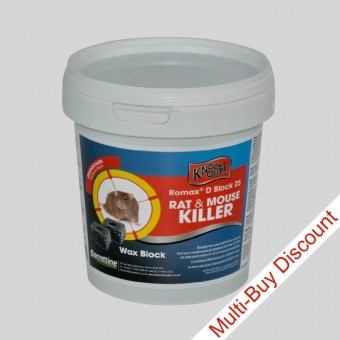
Romax D Block Rat and Mouse Killer
£6.78
In Stock
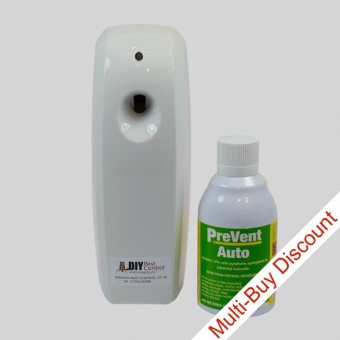
Prevent Auto Dispenser & Insecticidal Aerosol 250ml
£36.24
In Stock
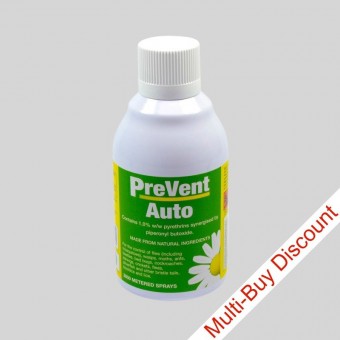
Prevent Auto Insecticidal Aerosol 250ml
£7.68
In Stock

Insecto Smokebombs 3.5g, 15g, 31g
£11.64
In Stock

£5.46
In Stock
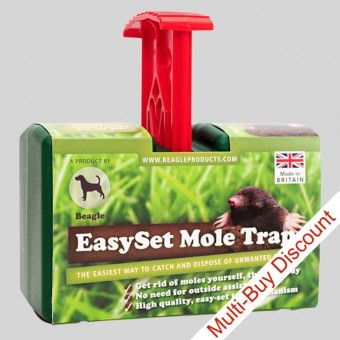
£22.02
In Stock
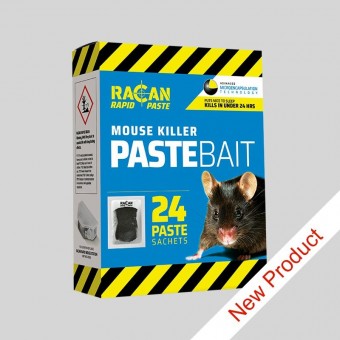
£14.58
In Stock
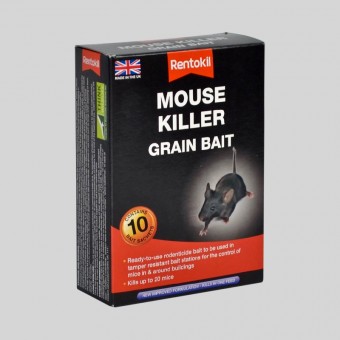
Rentokil Mouse Killer Grain Bait 100g
£5.64
In Stock
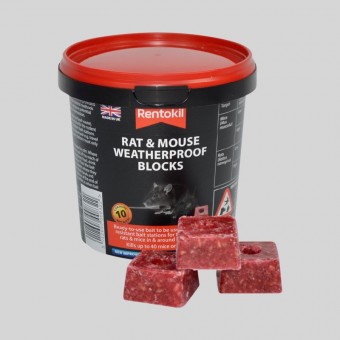
Rentokil Rat & Mouse Weatherproof Blocks 200g
£7.50
In Stock
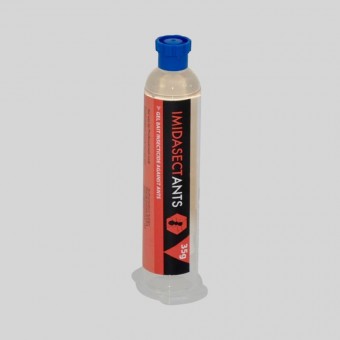
£23.46
In Stock
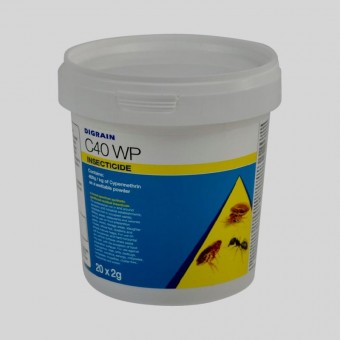
£31.98
In Stock
£19.08
In Stock

Knockout Rat & Mouse Killer Pasta 150g
£9.06
In Stock
£44.10
In Stock
£27.60
In Stock
£12.24
In Stock

DIY Pest Control Ltd, Pontefract Street, Osmaston Park Industrial Estate, Derby. DE24 8JD.
© DIY Pest Control Ltd 2019 | Registered in England: Company Reg. No 5991770