

Rat Control
The Brown Rat is considered one of the most serious mammalian pests ever known; it's opportunist lifestyle, intelligence, agility, omnivorous diet and prolific breeding potential make it one of the worlds most successful mammals. They carry dangerous diseases such as salmonella, weils disease and rat bite fever. Rats must be controlled as they cause serious damage to property. Rats can be difficult to trap but relatively easy to poison with rodenticides.
We sell effective and reliable Rat Control solutions by leading manufacturers. These products can come in various forms:Brown Rat Control; DIY or The Professionals?
- Rat control is a serious business; but, if your follow our 'How to Control' section you should be able to control all but the most extensive infestation.
- If you don't feel you can commit the time required to complete the steps referred to in our illustrated guide, you are better to call in the professionals.
In order of effectiveness, these are your options for rat control:
- Rodenticides; if you have an established colony of rats, this is always the quickest, surest and most effective option.
- Lethal Traps; such as 'spring traps' or 'break-back traps'. These can be effective if you have one or two casual intruders, but not for an established colony.
- Live Catch traps; such as cage traps, can be effective for one or two troublesome individuals, but not for an established colony.
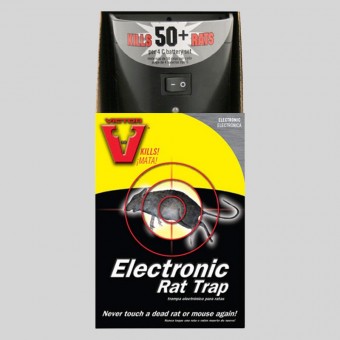
- Electronic Kill Traps; as above, OK for an occasional visitor but of no use against an established colony.
- Electronic Deterrents; these are completely ineffectual against rats and a waste of your money.
- Glue Traps; are fine for insects but completely inappropriate for rodents. They are cruel and in-humane and should not be on the market. We don't sell them and urge you not to use them.
Rodenticides:
The reason rodenticides are so effective as compared to traps lies in the rat's intelligence and feeding habits. (The only time I advocate trapping before rodenticide use is when the rats are in your home as you do not want a rat to die in wall voids or under the floor boards - the smell is very unpleasant).
- Rats are highly intelligent social creatures who live and feed together as a colony. They quickly learn from their own experiences and from their family. So, if they see their mate snapped in a trap, it doesn't take them long to figure out that traps are bad news.
- Rats feed by taking only a small initial taste of something new, that way, if it disagrees with them they won't go back and eat more. However, if it was tasty and they feel just fine, the next day they will eat their fill. Rats don't find suitable food and then just sit and eat as we would, they are constantly on the move and will only stay for between 5 and 30 seconds before rushing off (preferably with a portion of the food) only to come back a few minutes later for more. This keeps them safe from predators and means they don't take too much of one particular food that turns out to be bad for them (rats can't regurgitate or be sick, so what goes down stays down).
- Rodenticides work by thinning the blood and reducing its ability to clot. If rodents were to feel any pain or discomfort over the several days it may take for some of the more reluctant and 'picky' feeders to consume a lethal dose, they would cease feeding immediately - which does not happen. Don't take chances with rats - eliminate an infestation as quickly and humanely as possible - use rodenticides. All our rodenticides contain Bitrex - a bitter tasting ingredient which makes it unpalatable to humans - to avoid accidental consumption.
- By the time the rat has taken a lethal dose, usually between of two and four feeds, it still has not associated the food with any problem. The rat then starts to feel lethargic and weak so it tends to retreat to it's nest where it dies peacefully.
- Not only will that one rat have been feeding on the rodenticide, but the whole colony will gradually have joined in the feast. Within 10 to 14 days the entire colony will have been gently eliminated.
- Because of this rat habit of eating a bit from here and a bit from there, it is essential to have several bait points in the rat territory so the rats will move from one bait point to another bait point, rather than one bait point to some other natural food, which results in a longer period before they have taken a lethal dose.
- In order to protect the bait from being eaten by a non-target animal it is highly advisable to use a properly designed rat bait station.
- There are occasions when rats subsequently die of heart failure above ground so it is essential that whilst conducting a baiting programme, you take a little time to check around for any dead rats in the surrounding area. Wearing gloves, and using a plastic bag collect the bodies - if any - and dispose of them in tightly tied plastic bags in your wheelie bin.
Lethal Rat Traps:
- Rats are extremely cautious of new objects appearing in their territory and this is one of their great survival strengths.
- Rat traps, such as the Snap-E Rat Trap can be an excellent method of catching the odd wandering individual.
- Traps can be a good solution where you have a roving rat visiting your home.
- Unlike the inquisitive and easy to catch mouse, the rat is highly intelligent and learns from the mistakes of other rats. If one rat sees another rat being caught in a trap, then it will forever be cautious about traps. That is why you are most unlikely to control an established family of rats using traps.
- If you do decide to try traps, use several, and preferably use them inside Bait Stations that are also designed to hold the Snap-E Rat Trap. Not only do these bait stations protect the trap action from the view of other rats, but they also help to prevent non-target birds and animals accessing the trap.
- Refer to our Illustrated Guide for advice on where to place the traps.
- The objective of using bait stations is that you will bait the stations with a non-poisonous attractant bait and after a few days, when the rats are feeding happily, place the Snap-E Trap, or the T-Rex into the space designed for it within the bait station. You will almost certainly catch your rat at the first attempt and if you have several bait/trap stations in place, you may well catch several rats in that first night because other rats are not seeing what is happening inside the stations.
- Dispose of the rats, well wrapped in plastic bags, into your wheelie bin.
- Our top quality, professional choice traps and bait stations will last for years and over the long-term are the most economic way of controlling occasional visitors. Beware of cheap, budget quality traps that are designed to catch you with their low prices rather than to catch rodents.
Live Capture Rat Cages:
- These cages can be used for catching the occasional intruder but are of little or no use against a colony of rats.
- Before you decide to try cage traps, have a look at some of our rat videos and see how rats react to these cages.
- Some skilled professionals claim to be able to use these cages to good effect but I don't think any of them would claim they are either easy to use or highly effective.
- Even if you do catch the occasional rat, you still have to dispose of it. There is no virtue in releasing it into the fields or woods miles away from home. The first thing it will do is head back home and almost certainly it will die through predation or stress, long before if finds it's way back. It will be driven out of other rat's territories that it crosses on the way home and not knowing the environment it will almost certainly end up as dinner for some predator. Much better to save it all that trauma and deal with it properly with rodenticides or lethal traps in the first place.
Electronic Kill Traps:
- These do work but only to the extent of zapping the occasional intruder. They are not effective against an established colony of rats.
Electronic Deterrents:
- In the case of rats, these are a waste of your time and money. I know of no evidence to demonstrate that they work and you can see for yourself rat's complete disregard for them in our video clip.
Glue Traps:
- I have said it all above. Don't use them. They are cruel and intelligent rodents don't deserve that fate. Check out our video if you are in any doubt, that should leave you firmly in the anti-glue trap camp.
Rats are a serious problem and they must be dealt with swiftly and effectively in order to prevent damage to property and the spread of disease.
Please contact us if you require any additional help regarding the best brown rat control products to buy for your circumstances.
Use rodenticides safely and always read and understand the label.
There are two types of rat in Britain, the Brown Rat and the Black Rat. The Brown Rat is considered one of the most serious mammalian pests ever known; it's opportunist lifestyle, intelligence, agility, omnivorous diet and prolific breeding potential make it one of the worlds most successful mammals. They carry dangerous diseases such as salmonella, weils disease and rat bite fever. Rats must be controlled as they cause serious damage to property and crops. The black rat tends to live in walls, trees and loft spaces. Here we will deal with the brown rat.
Brown Rat Description:
- about 25cm in body lengthwith a scaly, hairless tail of a further 25cm
- rats have relatively poor vision but can see well in the dark
- they have a very acute sense of smell and hearing
- prefer to live in burrows outside but do occasionally live indoors
- rats can climb well and are excellent swimmers
Life cycle:
- rats live for up to three years
- in mild conditions, or if living indoors, they can breed all year round
- otherwise, breeding occurs in the spring, summer and autumn
- gestation lasts about 21 days and the litter size is usually 7-9
- young are weaned after three weeks and reach sexual maturity at about 8 to 12 weeks
- female usually has 4 or 5 litters per year
Signs of infestation:
- rat droppings, which are about 20mm long and capsule shaped, usually grey or black in colour
- holes under sheds, in compost, in banks, under log piles etc
- distinct and continuous tracks between places of safety, trees, bushes, sheds etc.
- gnawed timber, cables, water pipes etc
- noises in the cavity walls and/or loft
- dirty grey 'smear marks' often left where they cross over solid objects like walls and timber
- footprints, often found in the mud alongside water courses
- visual, often as they feed under bird tables
Found in almost every type of habitat from woodlands, riverbanks and farmland to rubbish tips, sewers and urban areas.
Habitats:
- Usually lives outside or under buildings within burrows, but occasionally found in houses and lofts.
- When in domestic houses, they are most commonly heard moving about in the loft or cavity walls.
- There may be signs of them in the kitchen and particularly under the kitchen sink where pipes may enter the building.
- When in the garden they are most commonly seen feeding beneath the bird table or in the vicinity of poultry.
- They may be living under a garden shed, in the compost heap or in a local ditch or drain.
Habits:
- brown rats are mostly nocturnal but may be seen in daylight if numbers are locally high
- they live in colonies from 3 or 4 individuals up to several hundred
- rats are wary of new objects in their territory
- they feed often and little, each consuming about 25-30 grams per day
- rats cannot regurgitate or be sick, hence their cautious approach to new food
- normally forage within 100 metres of the nest, but may travel much further if food is scarce
The objective is to prevent rats getting into your house. Before you start sealing holes, be sure there are no rats left in the house. If you trap a rat inside your house it may cause considerable damage trying to get out, or worse still trying to get water. Rats need to drink regularly and if deprived of water they will chew through a water pipe.
First eliminate all the rats using your house, then very carefully and thoroughly search all aspects of your house for potential access points. Go round several times and from different directions. Rats can gain access through holes as small as 1.5 cm (½ inch), but usually they quickly open holes to about 5 cm (2 inchs). If rats are using the hole regularly it will probably have a used look about it, clear of cobwebs, dust, leaves etc. Rats like to be able to move quickly and easily around their territory.
Here are some tips to help keep rats out:
- Remove all rubbish from around the house, sheds, garage etc. Rats feel vulnerable in open spaces so get rid of any places they can shelter
- Keep any vegetation around the building short and tidy
- Rats like to use ivy and creepers to access the eaves and roof where they may be able to gain entry to the loft. They are very good climbers and can run up a brick, concrete or harled wall
- Trim tree branches that overhang the roof. Rats are excellent climbers and jumpers and will readily use a tree to gain access to your roof
- Ensure no food is stored to which rats can get access, inside, outside or in sheds and out-houses
- Repair broken slates or roof tiles. Pay particular attention to areas where mortar is broken
- Repair holes in the eaves and search for areas where timber may be rotten or insecure
- Seal holes around pipes and cables going into the house
- Make sure ventilation grates are not broken
- Make sure windows and doors fit tightly and are not damaged
- Seal gaps beneath the garage door
- Look for holes in the earth around the base of the building as rats frequently gain access to the foundations and then into the cavity walls
This is what rats need to survive; make sure you deprive them of all these elements and you should not have a problem again:
- Shelter, to make nests, raise young and hide from predators so make sure your yard and garden is tidy
- Food, of just about any description so keep all potential rat food in sealed steel containers
- Water, rats drink a lot of water so make sure you are not supplying them through leaking pipes etc.
We provide a number of products to help you rat proof your house. It is far cheaper to make sure rats never again get into your house or buildings than it is to try to eliminate them every year.
Here are some products to help you stop rats entering your building:
- Expanding foam, ideal for filling gaps around pipes, cables, under roof tiles etc. Simply spray the foam into the cavity, allow to dry and then trim the excess level with a sharp knife
- Wire wool, can be used in conjunction with the foam but be sure to wear disposable gloves as the foam is very sticky and the action of pushing the wire wool into the wet foam is messy
- Wire mesh, for fixing over broken air vents and larger holes; can be used in conjunction with the expanding foam
Prevention is better and cheaper than cure
Q. I have not seen rat droppings but the bait has been taken.
A.
Rats tend to place their dropping in specific resting/lounging/feeding areas and you will not necessarily see the droppings at the bait points. Just make sure that the bait cannot be taken by non-target species.
Q. The bait has been taken from the trap, but the trap never went off. Should I keep traps in same area until a pest control service arrive?
A.
The bait might be taken by mice which may not be heavy enough to set off the traps. Also it sometimes happens that a clever rat is able to take the bait without setting off the trap, especially if it is a cheap trap with a poor trip mechanism. Keep trying in the same area.
Q. Why do rats go back to same site if no food is there?
A.
If food was there previously they are just checking it out on their rounds. If no food was there before, then it is probably a desirable retreat for other reasons, water, safety, potential nesting etc.
Q. My problem is Brown Rats! I live in a sheltered housing complex ran by a Housing Association,in the UK. We are not far from a river, and I can see some of the rat holes in the banks. I live in a very nice ground floor flat, that had new plastic double glazed windows fitted around two years ago, what concerns me is that they pivot from the top and swing outwards at the bottom, and there are shrubs in borders that are at window cill height below every window giving them cover. I and other residents are worried that hungry rats could come indoors via the open windows; I have known them do this at a nearby kitchen not in our complex. If the windows were the type that tilted so they could be opened at the top instead of the bottom we would feel safer, but they do not so is there a guard that could be used at the openings or would it be reasonable to ask them to reduce the height of the shrubs? I realise rats are a big problem; they are often by the doors if I go out at and seem braver in that they do not scatter when I appear. Can anyone give any advice please? Michael Cant [email protected]
A.
I can see you have a very real potential problem. You are right that the windows should have been fitted with a top tilt. Are you absolutely sure that they do not have a top tilt option? If not, those windows can almost certainly be fitted with a modified mechanism that allows top opening tilt. Check that out with either the manufacturers or the Housing Association, but don't be discouraged if the HA say it is not possible, they may just be looking for an easy life. Get them to give you the manufacturers details.
Trimming or better still eliminating the vegetation beneath the windows would be good and the HA should do that for you right away.
I don't think you will find any product that will exclude rats whilst allowing the windows to open easily. But I may be wrong.
Good luck with the window conversion option.
Q. I have had a rat take poison about 4 wks ago and found 1 dead above the doorway in the kitchen in the cavity. I got it out and cleaned all the wall insulation too to irradicate the smell! since then another smell has occured upstairs in the bathroom and on the landing. There have been flies of different sizes in the bathroom coming from the back of the basin pedistal from where the pipework comes out of the floorboards. I took the bath panel out and there is a strong smell from under the boards and some rat droppings but can't see anything. It must be further along towards the landing. As the maggots and flies are leaving now, does that mean it is drying up? (even though the smell is getting worse)!
A.
It is more than likely you have another dead rat in an inaccessible place. Short of ripping the bathroom to bits, the best option is to leave it. Not pleasant it's true but the smell will go. It can take 2-3 weeks for this to happen. The smell is obviously worse when the weather warms up
Q. Does having a dead rat scare other rats from coming around?
A.
Rats are naturally cautious creatures and may well be put off of taking bait if it appears to be harming other rats. However one dead rat is unlikely to deter a colony of rats if there is a plentiful source of food and the smell of a decaying rat is most unpleasant. Dead rats that have been poisoned need to be picked up in case non-target animals get hold of them
Q. how long after a brown rat dies in a house does it give up that terrible smell ,i am trying to establish the lenght of time it could have been in my cupboard
A.
How long a rat takes to decompose depends on the environment. The damper it is the longer it takes. In summer the smell is more intense but lasts less time, in winter it smells less but hang around for longer. The smell will continue as long as there is moisture in the carcass. this could be anything fron two weeks to a month. Then it should start to dissipate. If you can get at the carcass to remove it, that is by far the best option
Q. I have put down 7-8 portions of (difenacoum)grain seeds in bait boxes and it has taken the bait straight away,there are still signs of activity.What is the timescale for this to start to see an improvement.I recently caught 1(one)in a squirrel trap and disposed of it.Is this a sign that this is a large colony.They are under my decking .
A.
Difenacoum is an anti-coagulant. The rat will die after a few days due to internal haemorrhaging. The rat suffers no immediate ill effects from the poison so will happily keep coming for the bait until it gets lethargic and dies of heart failure. Most rats will die in the nest. You should keep putting the bait down until there is no more activity. How long this will take depends on the size of the colony, but difenacoum is effective and will eliminate them
Q. I have recently heard scrabbling in my loft and what look like slime marks that appear to be going up the brick/slated house frontage to the eves of my house.I have put difenacoum in the loft and have put raptor traps down,and have caught 2(two)mice/rats.My queastion is are the slime marks a good clue that this is the mices/rats entry point ?
A.
Almost definitely. Rats tend to follow the same route and leave obvious rat runs after a period of time. These grease marks are signs of the body of the rat brushing against the surface and they would certainly have no problem climbing the wall of a house. It is always an advantage to be able to establish where the rodents are entering the building. This access point should be blocked off. We sell wire wool and expanding foam for this very purpose. Make sure any other possible entry holes are blocked off too and covering drains is a good idea as rats do go up drainpipes. Keep baiting until there is no more activity in the loft. Good luck
Q. i put rat poison down it was all taken done it again the following night more was taken but not all but there was slime all over it what does this mean is it a good sign or bad
A.
THis is a good sign as it indicates what you already know, that the rats are taking the poison. Rats commonly leave a grease trail across objects in their runs so the slime just indicates the presence and route of the rat. Diligence is needed as the poison does not work immediately. Keep being persistent and you should eradicate the problem
Q. Is it possible to have an idea of the size of the infestation? I have heard what sounds like two in the wall cavity but feel there may be many more.
A.
It is difficult to estimate the size of an infestation, although it is safe to assume that a colony is bigger than you think. If you can monitor the area the rats are in there are things you can do to get some idea of what you are dealing with. The quantity of droppings is one indicator, as is something called a urine pillar. These rise up like stalagmites to a point and are an indication that the colony is large and well established. You can buy monitoring bait and monitoring dust to track the amount of activity. The best thing is to bait quickly and copiously for two to three weeks to eradicate the problem before it gets worse
Featured Products & Best Sellers
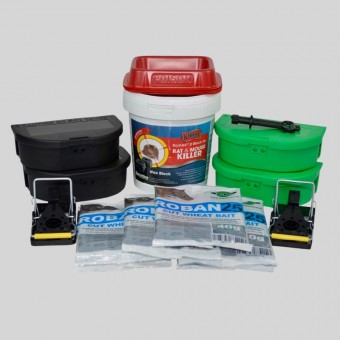
Mouse Control Kits - Difenacoum
£20.16
In Stock
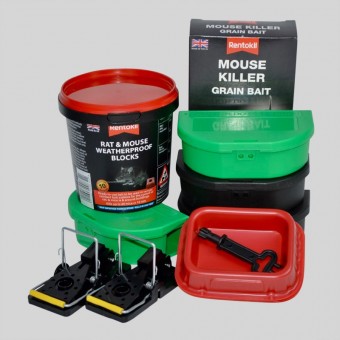
Mouse Control Kits - Brodifacoum
£21.06
In Stock
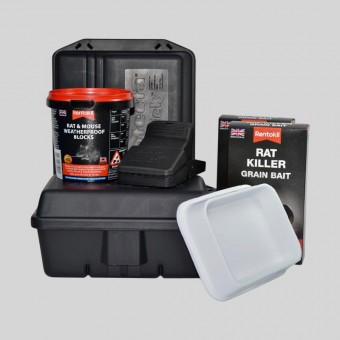
Rat Control Kits - Brodifacoum
£40.98
In Stock
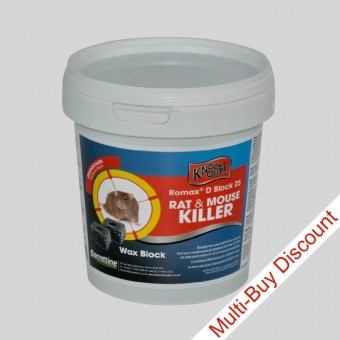
Romax D Block Rat and Mouse Killer
£6.78
In Stock
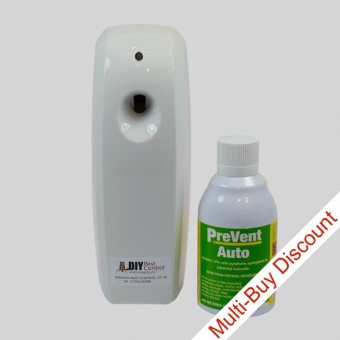
Prevent Auto Dispenser & Insecticidal Aerosol 250ml
£36.24
In Stock
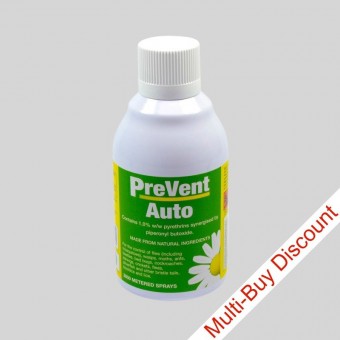
Prevent Auto Insecticidal Aerosol 250ml
£7.68
In Stock

Insecto Smokebombs 3.5g, 15g, 31g
£11.64
In Stock

£5.46
In Stock
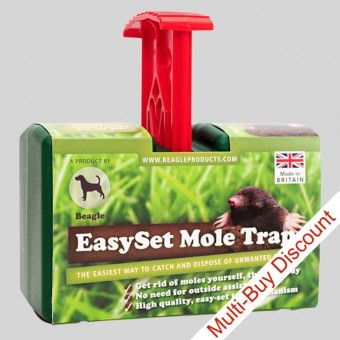
£22.02
In Stock
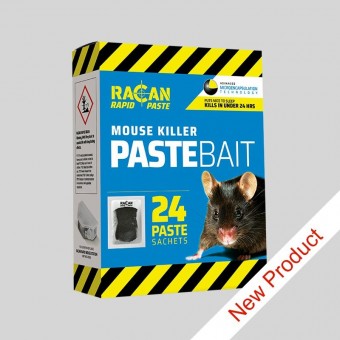
£14.58
In Stock
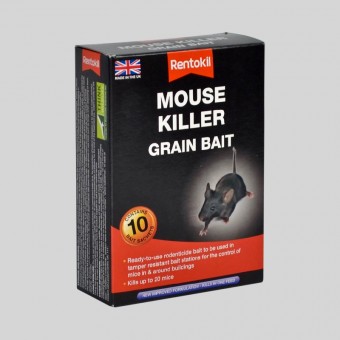
Rentokil Mouse Killer Grain Bait 100g
£5.64
In Stock
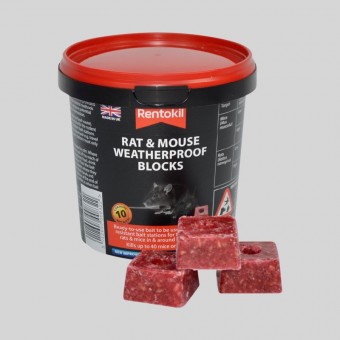
Rentokil Rat & Mouse Weatherproof Blocks 200g
£7.50
In Stock
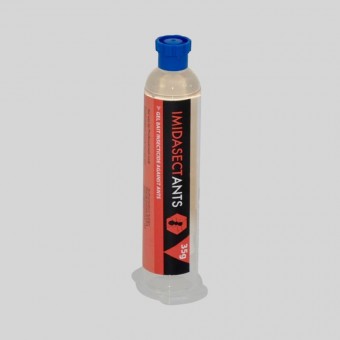
£23.46
In Stock
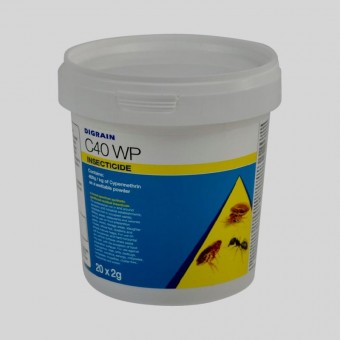
£31.98
In Stock
£19.08
In Stock

Knockout Rat & Mouse Killer Pasta 150g
£9.06
In Stock
£44.10
In Stock
£27.60
In Stock
£12.24
In Stock

DIY Pest Control Ltd, Pontefract Street, Osmaston Park Industrial Estate, Derby. DE24 8JD.
© DIY Pest Control Ltd 2019 | Registered in England: Company Reg. No 5991770