

Fly Control
When fly infestations are a problem, hygiene is king. Keep everything clean and all food stored safely and take a multi-pronged approach to control.
There are multiple products you can use to control flies, such as
- In the majority of cases, DIY control is perfectly adequate and effective.
- There will be cases such as large poultry units, landfill sites and institutions where professional input is essential.
Control Options:
- Electronic Fly Killers - limited use against house flies.
- Sticky Fly Papers - effective in small areas but can also be unsightly.
- Fly Traps - can be hugely effective and improved attractant baits are constantly being brought to the market.
- Sugar based Fly Baits - also highly effective and improving in attractiveness and efficacy.
- Knock-down Space Sprays - highly effective but unsuitable for use in food preparation areas.
- Residual Contact Sprays - effective but liable to cause resistance due to the rapid life cycle of flies.
Which method of control you choose will depend on factors such as personal preference, size and location of the infestation and whether or not food and people are involved.
The order in which you might approach fly control would be as follows:
- Hygiene: trace and rectify any potential attractants such as rubbish, exposed food and water, decaying organic matter, blocked drains etc.
- Proofing: check all windows and doors are fly-tight and fit screens if necessary.
- Passive controls: try Fly Papers, Fly Traps and perhaps Electronic Fly Killers before resorting to insecticidal treatments.
- Insecticidal Fly Bait: can give longer term control of an infestation.
- Knock-down Sprays: insecticidal Knock-down Sprays will be highly effective in the short term, but more flies will soon arrive and yet more insecticidal spray will have to be used. Flies breed so quickly that insecticidal resistance can become a big problem.
Work systematically through the programme outlined above in the hope of achieving control before insecticide sprays are required.
Use pesticides safely and always read and understand the label
The common house fly is a world wide vector of a range of debilitating diseases in humans and animals.
Description:
- around 6-9mm in length
- well defined head, thorax and abdomen with two broad wings
- large eyes
Life cycle:
- female lays up to 150 white, ovoid eggs around 1mm long
- these are laid on warm, moist material which will provide suitable food for the growing larvae
- suitable egg laying material would be manure, excrement, garbage or decaying vegetable matter
- eggs hatch in 8-48 hours
- given suitable food and temperature, the white maggots pupate and develop into adult flies over a period of a further 5-8 days
The housefly is associated with rotting, fermenting organic matter of high protein content. It can be found in suitable habitats throughout the world.
When a housefly feeds, for instance on faeces, it takes organisms into it's gut. Particles also adhere to it's bristles, feet and body surfaces.
At a subsequent feed, perhaps on food prepared for human consumption, the fly will feed and regurgitate fluid over the food. That fluid will contain organisms from previous meals. It will also defecate continuously, contaminating the food even further. This is the most common way in which disease organisms are transferred from an infected source to humans.
Where houseflies are gathering in significant numbers, it is usually as a result of a breakdown in hygiene standards somewhere in the locality.
The most important aspect of fly control is to trace and rectify the source of the problem. This may be very localised - blocked or dirty drains, open rubbish containers,decaying organic debris, a dead bird or rodent or perhaps a local farm may be the source.
Entry into buildings can be restricted by fitting suitable fly screens.
Featured Products & Best Sellers
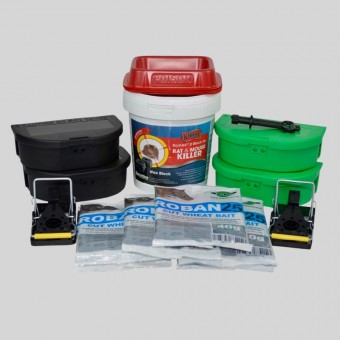
Mouse Control Kits - Difenacoum
£20.16
In Stock
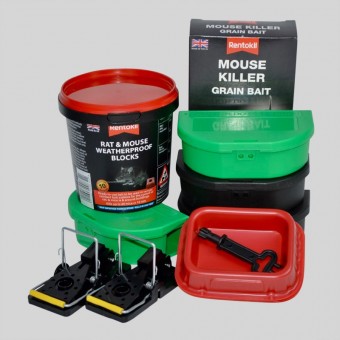
Mouse Control Kits - Brodifacoum
£21.06
In Stock
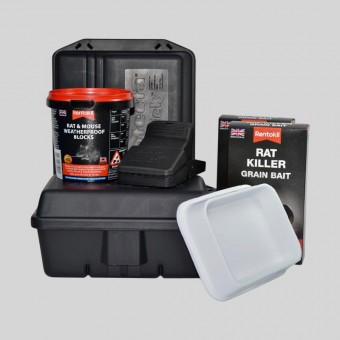
Rat Control Kits - Brodifacoum
£40.98
In Stock
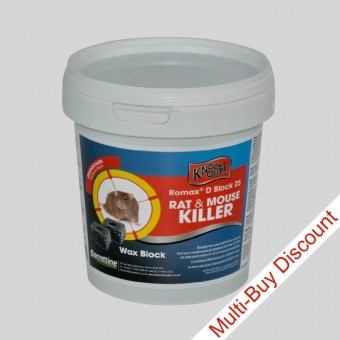
Romax D Block Rat and Mouse Killer
£6.78
In Stock
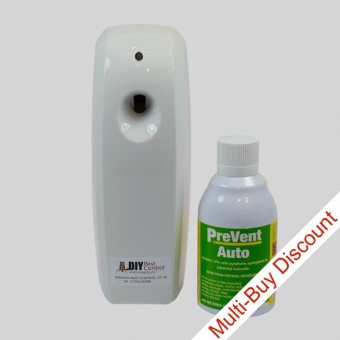
Prevent Auto Dispenser & Insecticidal Aerosol 250ml
£36.24
In Stock
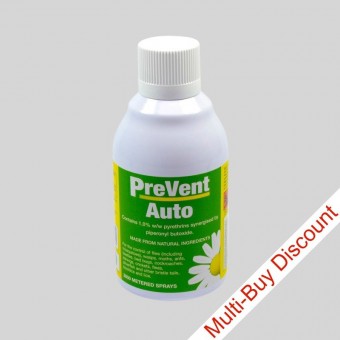
Prevent Auto Insecticidal Aerosol 250ml
£7.68
In Stock

Insecto Smokebombs 3.5g, 15g, 31g
£11.64
In Stock
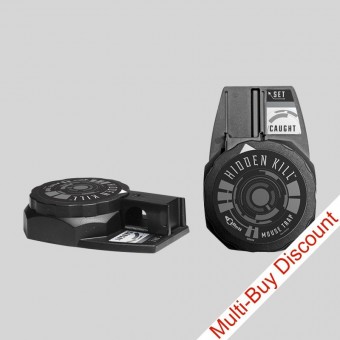
£5.46
In Stock
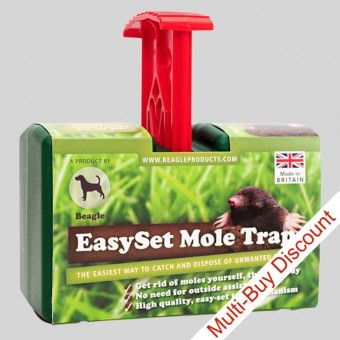
£22.02
In Stock
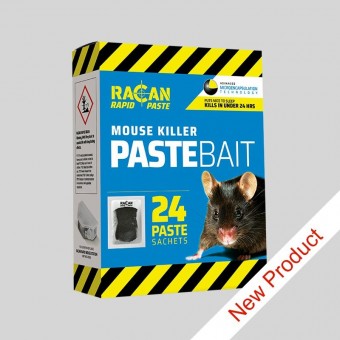
£14.58
In Stock
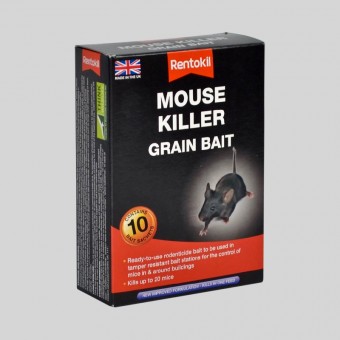
Rentokil Mouse Killer Grain Bait 100g
£5.64
In Stock
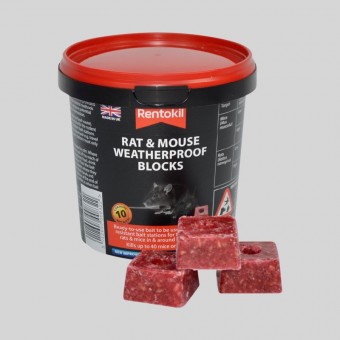
Rentokil Rat & Mouse Weatherproof Blocks 200g
£7.50
In Stock
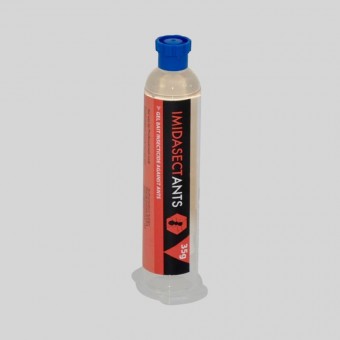
£23.46
In Stock
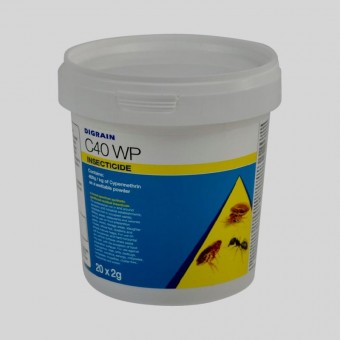
£31.98
In Stock
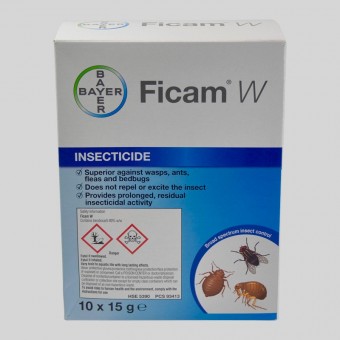
£19.08
In Stock

Knockout Rat & Mouse Killer Pasta 150g
£9.06
In Stock
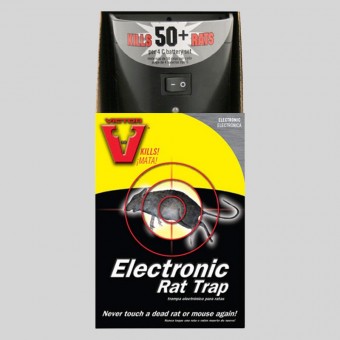
£44.10
In Stock
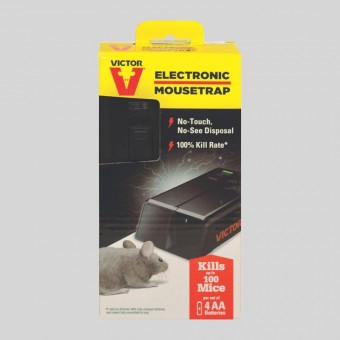
£27.60
In Stock
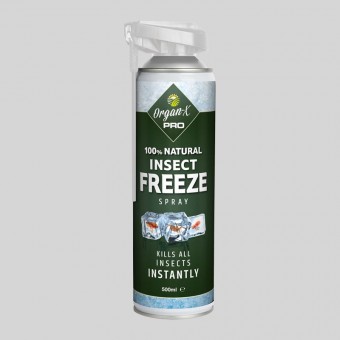
£12.24
In Stock

DIY Pest Control Ltd, Pontefract Street, Osmaston Park Industrial Estate, Derby. DE24 8JD.
© DIY Pest Control Ltd 2019 | Registered in England: Company Reg. No 5991770