

Pharaoh Ant Control
Pharaoh ants are one of the tropical ant species that thrive in warm, humid environments here in the UK, particularly hospitals, apartment buildings and greenhouses.
They are difficult to control but with a little bit of patience and direct targeting, the pharaoh ant can be eliminated successfully.
The key is applying the right ant bait, such as Biopren Pharaoh Ant Colony Eliminator. Pharaoh ants are attracted to protein and will not be interested in the standard ant baits that work for common garden ants.
Poison baiting is the only solution as killing the multiple queens is the only way to successfully eradicate these ants from your home
Successful control requires the destruction of the nest. This is difficult because nests are invariably in inaccessible places, there can be multiple satellite nests and multiple queens.
The most effective control involves a thorough insecticide treatment so all insects constituting the infestation will be exposed to the toxicant. This is best achieved by baiting.
Conventional treatment alone are of limited value for the control of Pharaoh ants
Pharaoh ants are small, yellow ants. They are present in many parts of the world and are considered to be a major pest due to their ability to survive in indoor areas. Hospitals are of heightened concern with pharaoh ants, as the ants can spread disease and contaminate sterile equipment and rooms.
They are omnivorous and will feed on meat, cheese, fats, honey, jam, chocolate etc. In hospitals they will feed on blood, intravenous fluids, wounds and vomit.
They are one of the most persistent and difficult ants to control. They produce very large colonies with up to several million workers and thousands of queens.
Pharaoh ants pose a risk to health as pathogenic organisms may be transmitted as ants feed in unhygienic places.- Workers are 1.5-2 millimetres, yellow-brown in colour with a darker abdomen; queens are approximately 4 millimetres, dark red in colour
- Three-segmented club on each antenna
- Thorax is evenly rounded Two segments (nodes) between the thorax and abdomen
- Queens are winged but do not fly
- Social insects who live in colonies. These range in size from a few dozen to 300,000 ants
- Colonies contain workers (sterile females), fertile males and queens. There are usually many queens in a colony and they co-exist amicably.
- New colonies are formed by budding and this may be encouraged by disturbing a nest. Worker ants carry larval stages to a new site from which they rear males and queens.
- Flying swarms are never seen; mating takes place inside the nest.
- Each queen produces up to 350 eggs
- Eggs hatch in a week
- Larvae are fed by the queens and tended by the workers. They develop in 3 weeks
- The whole cycle from egg laying to adult takes 5 1/2 weeks depending on temperature
Originated in North Africa/Mediterranean and are now widely distributed along trade routes
Need for warm humid conditions confines them to buildings, typically residential blocks, hotels, hospitals, food handling premises, zoos and ships
They are associated with wall voids, windows, storage areas, plants and sterile supplies
Infestations spread via service ducts
The best way to proof against these ants is hygiene; make sure to remove what is likely to attract them
Please make sure that :-
- Kitchen surfaces are washed before and after preparing food. Hot soapy water is sufficient for this task.
- Spillages of liquid and food are cleaned up as soon as possible.
- All loose food is stored in secure containers.
- Food cupboards are cleaned regularly.
- Food stored on kitchen units is covered.
- Cooker tops and interiors, microwave ovens etc are cleaned regularly.
- All food rubbish is placed in a lined bin and emptied into an outside bin as soon as possible.
Hygiene advice is given because it is the only way to ensure effective treatment. Failure to do so could result in continued infestation which may spread to other adjoining properties.
Featured Products & Best Sellers
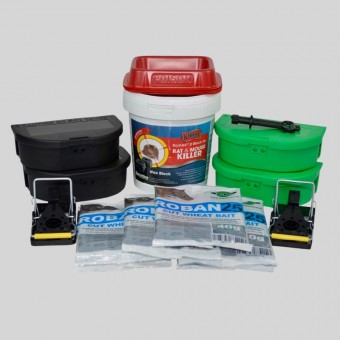
Mouse Control Kits - Difenacoum
£20.16
In Stock
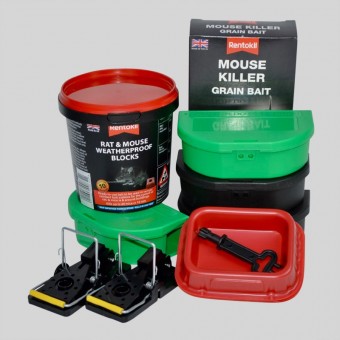
Mouse Control Kits - Brodifacoum
£21.06
In Stock
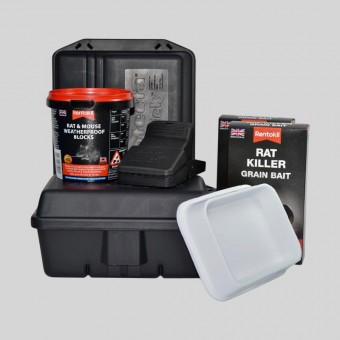
Rat Control Kits - Brodifacoum
£40.98
In Stock
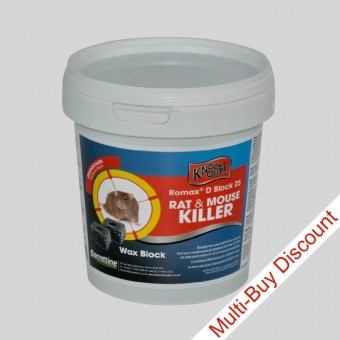
Romax D Block Rat and Mouse Killer
£6.78
In Stock
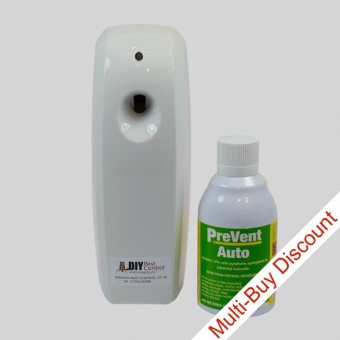
Prevent Auto Dispenser & Insecticidal Aerosol 250ml
£36.24
In Stock
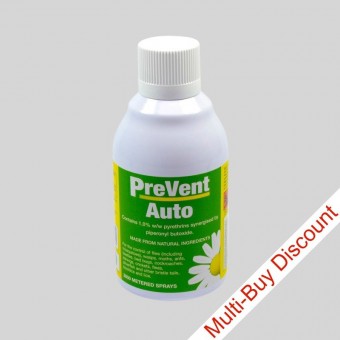
Prevent Auto Insecticidal Aerosol 250ml
£7.68
In Stock

Insecto Smokebombs 3.5g, 15g, 31g
£11.64
In Stock
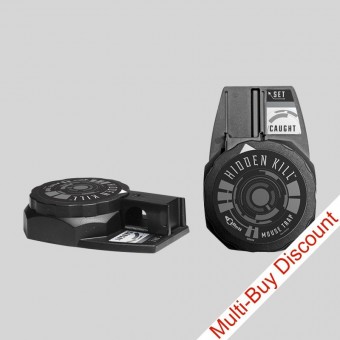
£5.46
In Stock
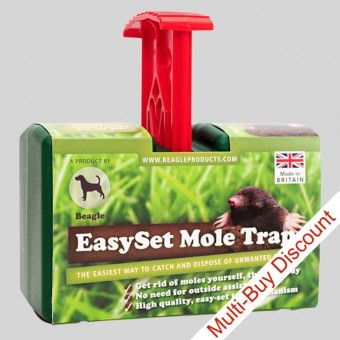
£22.02
In Stock
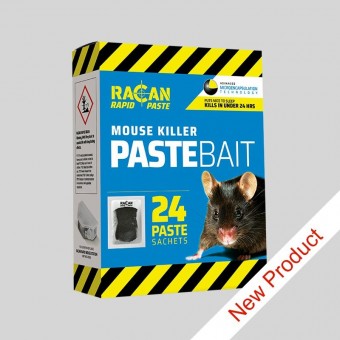
£14.58
In Stock
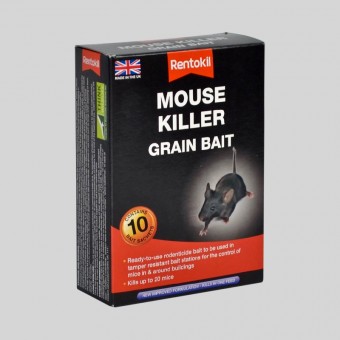
Rentokil Mouse Killer Grain Bait 100g
£5.64
In Stock
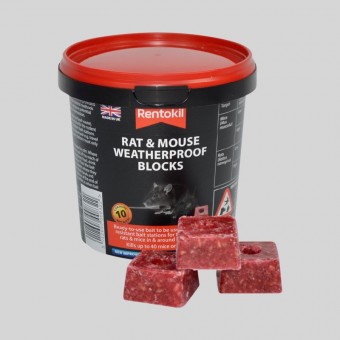
Rentokil Rat & Mouse Weatherproof Blocks 200g
£7.50
In Stock
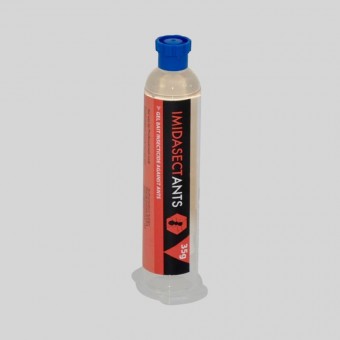
£23.46
In Stock
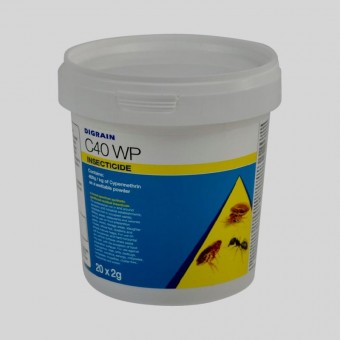
£31.98
In Stock
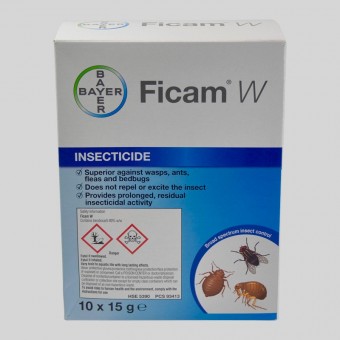
£19.08
In Stock

Knockout Rat & Mouse Killer Pasta 150g
£9.06
In Stock
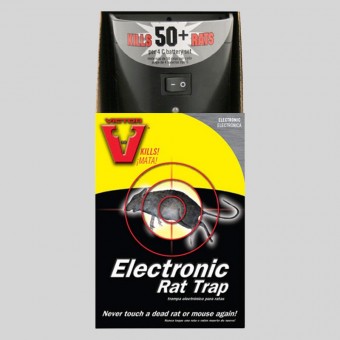
£44.10
In Stock
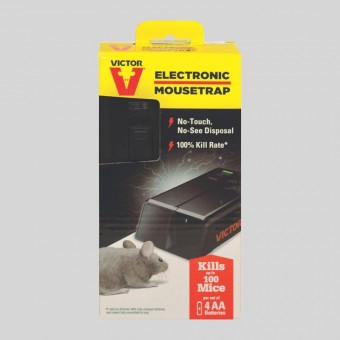
£27.60
In Stock
£12.24
In Stock

DIY Pest Control Ltd, Pontefract Street, Osmaston Park Industrial Estate, Derby. DE24 8JD.
© DIY Pest Control Ltd 2019 | Registered in England: Company Reg. No 5991770