

Gull Control
Herring gulls are large, noisy birds found throughout the year around our coasts, and inland around rubbish tips, fields, large reservoirs and lakes, cities and towns.
Many people who have gulls on their property find they cause a nuisance through noise, mess and damage to property.
Birds can dive and swoop on people and pets causing great consternation and fear.
Their nests have been known to block gas flues, valley gutters and drains causing considerable water damage to the fabric of buildings.
Their droppings are smelly and corrosive. Control can be achieved via deterrents such as spikes, gels and 'spiders
Gulls, like all other wild birds, are protected under the Wildlife & Countryside Act 1981 and the Wildlife (Northern Ireland) Order 1985. This makes it illegal to intentionally or, in Scotland, recklessly take, injure or kill a gull, or to take, damage or destroy an active nest or its contents. In Northern Ireland, it is illegal to disturb birds at an active nest.
Birds are protected by law. These laws are many and complex and it is essential that those people carrying out bird management, whether pest professional or layman, understand the legal implications of what they do. If you are ever in any doubt as to the legality of any action you are about to undertake GET EXPERT ADVICE FIRST. If you don't, you could bring yourself or your organization into disrepute and face prosecution.
General licence
It is essential that anyone intending to take action against birds under any general licence first obtains a copy and familiarises themselves with the conditions. Offences committed under this legislation attract a maximum fine of £5000 or six months custodial sentence.
The Species list detailing which birds the general licence applies to may vary in N Ireland, Wales and Scotland. Check before taking action
Details within the licence may change at any time. It is recommended that reference is always made to the licence details current at the time of action.
The herring gull is currently listed on public health and safety general licences, so can be culled in accordance with the licence requirements. Management measures can include trapping, shooting (excluding weapons with a muzzle diameter greater than 1.25 inches) and nest destruction. Culling can only be resorted to if specific conditions are met, and only where legal, non-lethal methods of control are ineffective or impractical. General licences are only issued for the following specific reasons:
- where the gull is causing serious damage to agricultural crops, livestock, foodstuffs for livestock, growing timber, fisheries or inland waters
- where public health or public safety is under threat
- to prevent the spread of disease
The shooting of individual problem birds is sometimes appropriate as, due to slow reproduction, the population recovery rate is very slow. If adult birds are shot when there are young in the nest, then the young will need to be despatched as well. In the UK, provided the licence conditions are met, adults can be shot and eggs, chicks and nests can be removed and destroyed.
Gulls are at their most aggressive when they have young. Substitution of their eggs with dummy ones, egg oiling ( coating the eggs with liquid paraffin to stop the embryo developing) or pricking (making a small hole in the shell which causes the death of the embryo) can remove this problem. The birds carry on incubating their eggs without realising there is a problem and so do not produce replacement eggs which may happen if you simply remove the eggs.
There are no traps suitable for gulls
Description:
- Adults have light grey backs, white under parts, and black wing tips.
- Their legs are pink, with webbed feet and they have heavy, slightly hooked bills marked with a red spot.
- Young birds are mottled brown.
Life cycle:
- Nest in colonies on rock cliffs, dunes and buildings in coastal towns and cities.
- A large nest of seaweed and grass is built, sometimes as early as February.
- A single clutch of 2-4 eggs is laid but if these are lost more are laid.
- The eggs are incubated by both parents for 25-27 days.
- The chicks, which are covered in grey down with dark blotches, are fed by both parents on regurgitated food.
- To obtain a meal they peck at the red spot on the parent's bill.
- At 42 days of age young herring gulls can fly and for the first year of their life their feathers are speckled brown.
- They do not develop the full adult plumage for several years.
The herring gull has adapted very well to man's way of life and is the main scavenger around rubbish dumps and fishing harbours. It seems to prefer to feed on these easy pickings rather than catch fish at sea. Herring gulls are aggressive birds and will threaten other species with a fierce and intimidating display if they come too close.
The growing number and size of rubbish dumps, and of reservoirs, has encouraged the great increase in the herring gull population that has occurred over recent years. In some areas they have become a major nuisance where expanding colonies have spilled over on to rooftops, causing fouling and noise problems - even frightening people by swooping down and mobbing them.
In more natural habitats, herring gulls have caused problems for delicate species such as puffins and terns. Serious competition for space on cliffs, islands and dunes causes the gulls to drive other birds away, depriving them of breeding grounds. It has been necessary to cull in some areas in order to reduce the gulls' numbers.
Many people who have gulls on their property find they cause a nuisance and common problems include:
- Noise: caused by calling gulls and by their heavy footsteps.
- Mess: caused by their droppings, fouling of washing, gardens and people.
- Damage to property: caused by gulls picking at roofing materials and by nests which block gutters or hold moisture against the building structure.
- Birds can dive and swoop on people and pets: usually occurs when chicks have fallen from the nest and adult birds attempt to prevent them coming to harm by frightening away potential threats.
Herring Gull colonies can be discouraged from establishing through two means:
Reduction of food sources:
- Do not feed gulls as this only encourages them to remain in the area.
- Ensure your rubbish is securely contained as gulls love raking through rubbish in the hope of finding food.
- Do not leave rubbish outside in plastic bags.
Proofing of buildings:
The principal methods of deterrence are:
- Fitting of long spikes to nesting locations such as chimney stacks.
- Fitting of short spikes, contained in a special plastic base, to nesting locations such as dormer roofs.
- Fitting of wires or nets to prevent herring gulls landing.
- Disturbance of nesting sites including removal of nests and eggs
Featured Products & Best Sellers
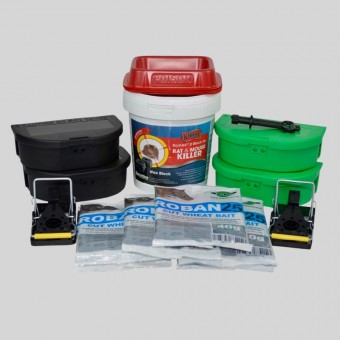
Mouse Control Kits - Difenacoum
£20.16
In Stock
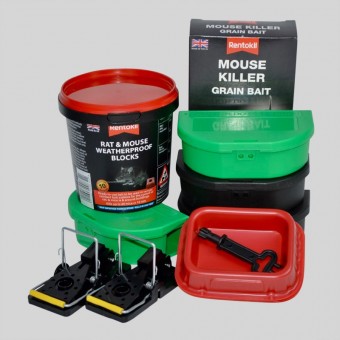
Mouse Control Kits - Brodifacoum
£21.06
In Stock
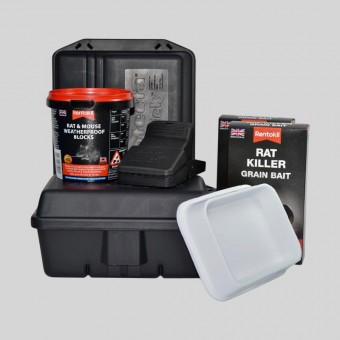
Rat Control Kits - Brodifacoum
£40.98
In Stock
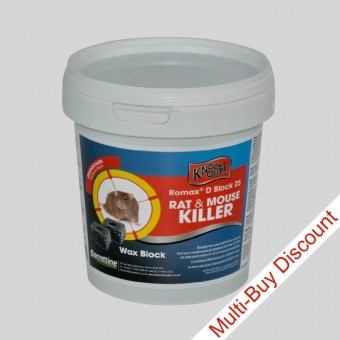
Romax D Block Rat and Mouse Killer
£6.78
In Stock
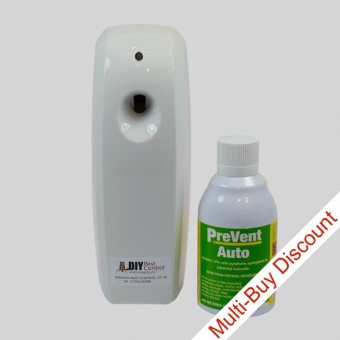
Prevent Auto Dispenser & Insecticidal Aerosol 250ml
£36.24
In Stock
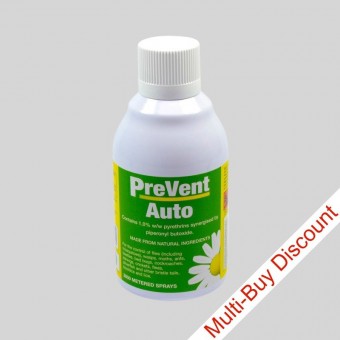
Prevent Auto Insecticidal Aerosol 250ml
£7.68
In Stock

Insecto Smokebombs 3.5g, 15g, 31g
£11.64
In Stock

£5.46
In Stock
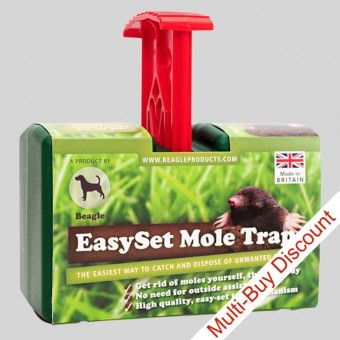
£22.02
In Stock
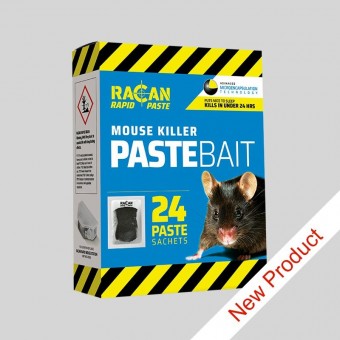
£14.58
In Stock
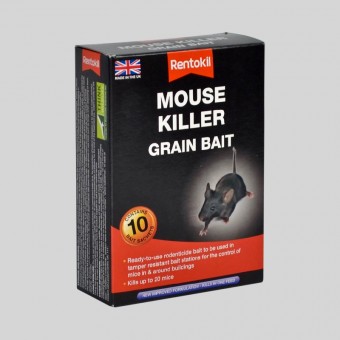
Rentokil Mouse Killer Grain Bait 100g
£5.64
In Stock
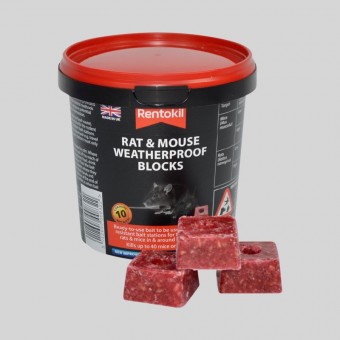
Rentokil Rat & Mouse Weatherproof Blocks 200g
£7.50
In Stock
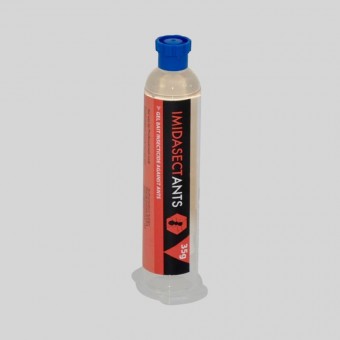
£23.46
In Stock
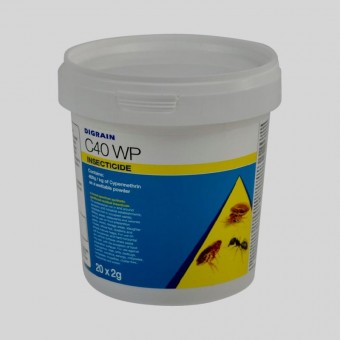
£31.98
In Stock
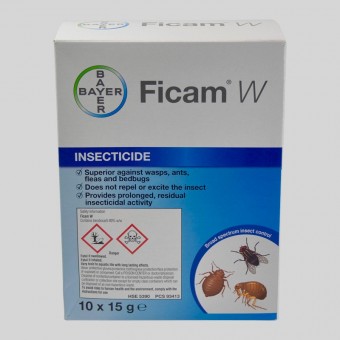
£19.08
In Stock

Knockout Rat & Mouse Killer Pasta 150g
£9.06
In Stock
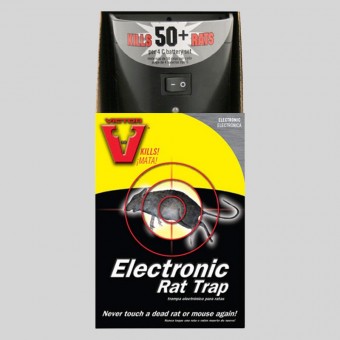
£44.10
In Stock
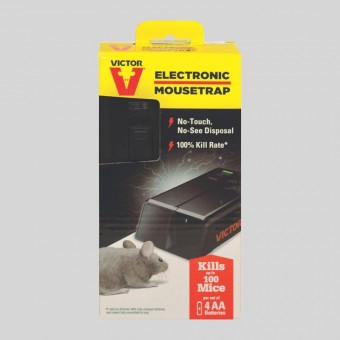
£27.60
In Stock
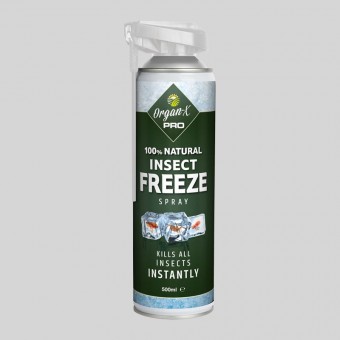
£12.24
In Stock

DIY Pest Control Ltd, Pontefract Street, Osmaston Park Industrial Estate, Derby. DE24 8JD.
© DIY Pest Control Ltd 2019 | Registered in England: Company Reg. No 5991770