

Rat Poison
Rat poison comes in various different forms and formulations and is becoming harder for the general public to purchase in any other than small pre-packed ready to use sachets.
Rats prefer to eat bait that is highly palatable. The sweeter the bait the longer the rat will feed, rats mainly feed in the dark and baits have added aromas that rats find highly attractive.
The three most common active ingredients readily available are difenacoum, bromadiolone and brodifacoum which are all anti-coagulants. These poisons affect the rodents blood clotting response, so after a few days the rodents will die as a result of internal haemorrhaging. The poison effectively thins the blood to the extent that blood seeps internally from tiny blood vessels and organs quickly resulting in heart failure which ultimately kills the rat. The rodents feel fine, suffering no pain and therefore they continue to feed as normal, consuming a lethal dose before succumbing to the effects of the poison. This is important, as rats in particular will quickly stop eating anything that they associate with danger. In the latter stages of poisoning, the rodents feel lethargic and tend to stay in their nests, where most of them die. The occasional one may die above ground, and you should always search for bodies whilst you are conducting a poisoning campaign.
Featured Products & Best Sellers
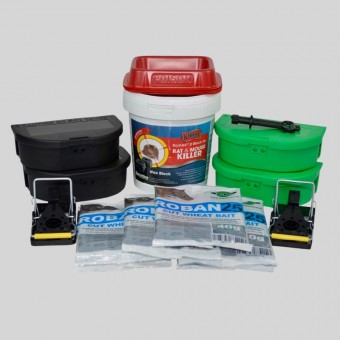
Mouse Control Kits - Difenacoum
£20.16
In Stock
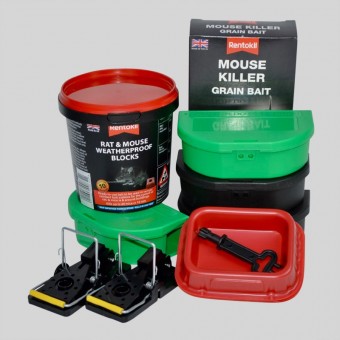
Mouse Control Kits - Brodifacoum
£21.06
In Stock
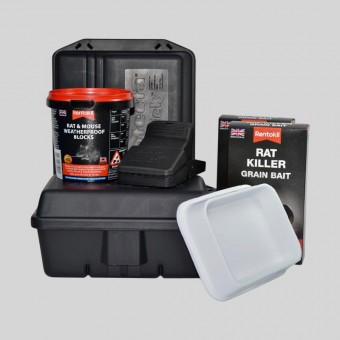
Rat Control Kits - Brodifacoum
£40.98
In Stock
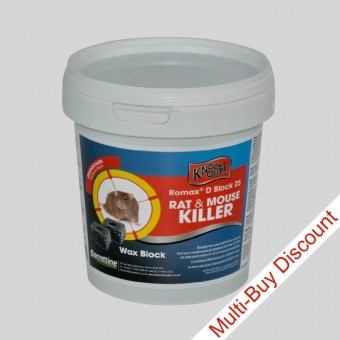
Romax D Block Rat and Mouse Killer
£6.78
In Stock
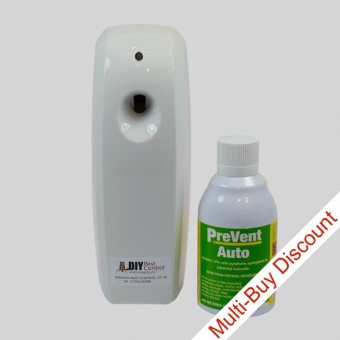
Prevent Auto Dispenser & Insecticidal Aerosol 250ml
£36.24
In Stock
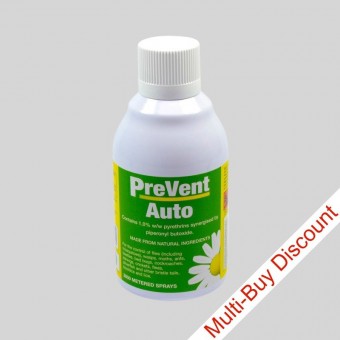
Prevent Auto Insecticidal Aerosol 250ml
£7.26
In Stock

Insecto Smokebombs 3.5g, 15g, 31g
£11.64
In Stock
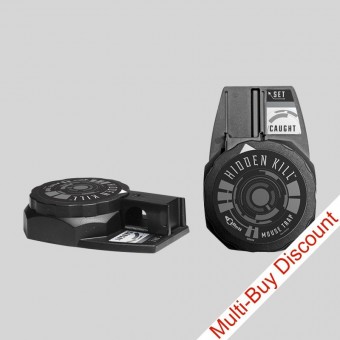
£5.46
In Stock
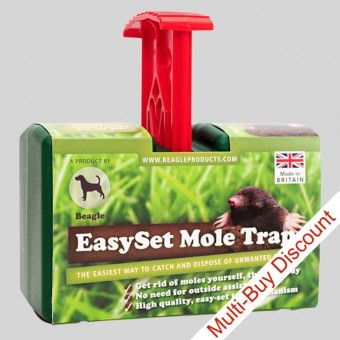
£22.02
In Stock
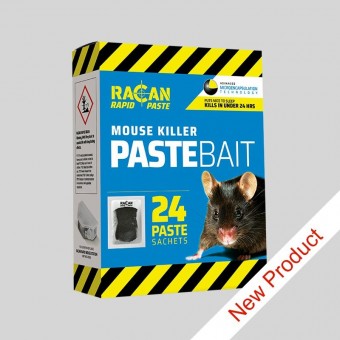
£14.58
In Stock
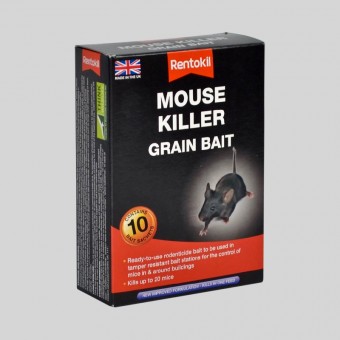
Rentokil Mouse Killer Grain Bait 100g
£5.64
In Stock
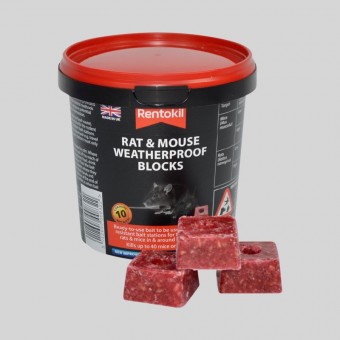
Rentokil Rat & Mouse Weatherproof Blocks 200g
£7.50
In Stock
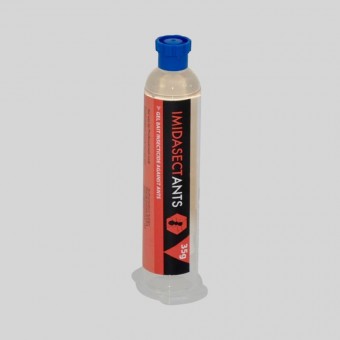
£23.46
In Stock
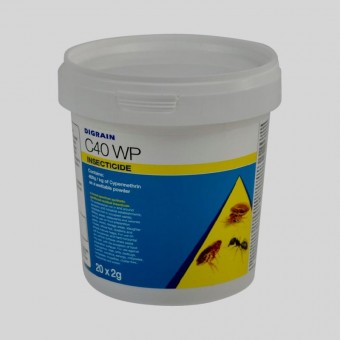
£31.98
In Stock
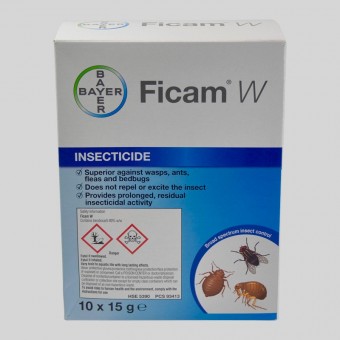
£19.08
In Stock

Knockout Rat & Mouse Killer Pasta 150g
£9.06
In Stock
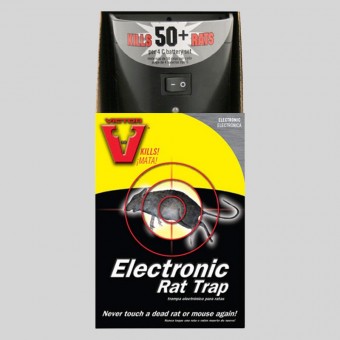
£44.10
In Stock
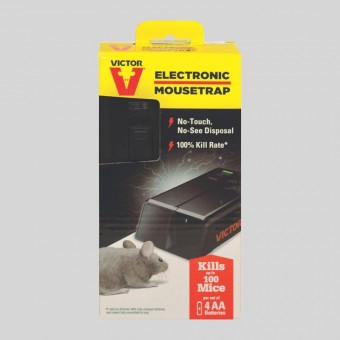
£27.60
In Stock
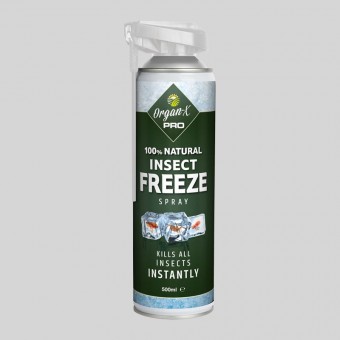
£12.24
In Stock

DIY Pest Control Ltd, Pontefract Street, Osmaston Park Industrial Estate, Derby. DE24 8JD.
© DIY Pest Control Ltd 2019 | Registered in England: Company Reg. No 5991770